Thursday, March 20, 2014

Eating Small: Applications and Implications for Nanotechnology in Agriculture and the Food Industry.


The following will be published next month in the journal Science Progress http://www.sciencereviews2000.co.uk/view/journal/science-progress, which I am an editor of - so, this is a preview!


1. Introduction.

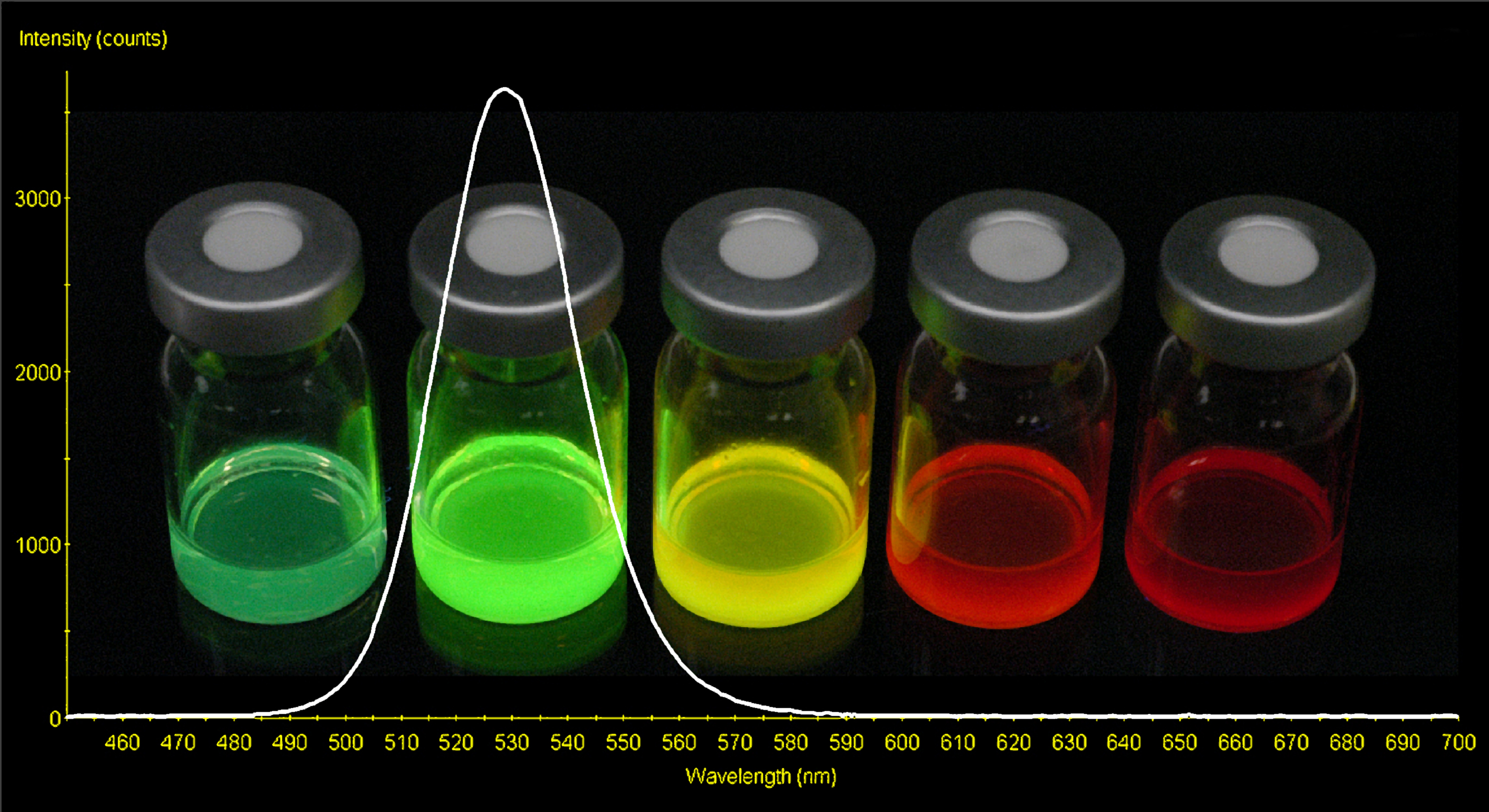
That synthesis might be undertaken by the direct manipulation of atoms was suggested by Richard Feynman in 1959, although term "nano-technology"1 was not coined until 1974, by Norio Taniguchi. In 1986, K. Eric Drexler published his book Engines of Creation: The Coming Era of Nanotechnology, which contained the notion of a nanoscale "assembler" with the capacity to build copies of itself and other items, by atomic level manipulation. The groundbreaking invention, in 1981, of the scanning tunnelling microscope (STM) demonstrated that individual atoms could be visualised, and the technology was further developed to physically move adsorbed atoms and molecules around on a surface2. Notable examples2 demonstrated for publicity purposes are the sign-writing of "IBM" using 35 xenon atoms on a Ni(110) surface, and of "2000" using 47 CO molecules on a Cu(211) surface, by researchers in the eponymous organisation, to auger in the new millennium. Considerably larger molecules can also be moved using an STM tip, for example 1,4-diiodobenzene and biphenyl, which have been towed around on  copper surfaces. The tunnelling electrons may also be used to initiate chemical reactions, the products of which can be subsequently manipulated over the surface, so providing proof of chemical change having occurred, e.g. the conversion of iodobenzene to biphenyl. As a definition, nanotechnology (nanotech) can be described as the manipulation of matter over an atomic, molecular, and supramolecular dimension. Molecular nanotechnology is the intention of manipulating atoms and molecules, so to create macroscale products. The prefix “nano” is derived from the Greek word meaning “dwarf”. The U.S. National Nanotechnology Initiative3 defines nanotechnology as, “the manipulation of matter with at least one dimension in the range 1—100 nanometers (nm)”, where quantum mechanical effects become increasingly important as the smaller end of the range is accessed. It is critical that the particular materials, and devices made from them, should possess properties that are different from the bulk (micrometric or larger) materials, as a consequence of their small size, which may include enhanced mechanical strength, chemical reactivity, electrical conductivity, magnetism and optical effects (e.g. Figure 1).

One nm is one billionth, or 10−9, of a meter, which in relative size to a meter is about the same as that of a marble to the Earth.4 Placed in a different context, an average man's beard grows about one nm in the time it takes him to lift the razor to his face.4 The lower limit is set by the size of atoms, which are the fundamental building blocks of nanotechnology devices, while the upper limit is of a more arbitrary quality but is of the dimension at which the particular phenomena of the quantum realm begin to appear, which are essential to the nano-device. A device that is merely a miniaturised form of an equivalent macroscopic version does not conform to nanotechnology, lacking these particular phenomena, but is classified under the heading microtechnology.5 In regard to the fabrication of nanodevices, we find the "bottom-up" approach, where materials and devices are constructed from molecular components which self-assemble via molecular recognition, while in the "top-down" approach, nano-objects are built from larger entities, not involving control at an atomic level.6

The plural forms "nanotechnologies" and "nanoscale technologies" thus refer to the many and various aspects, devices and their applications that have in common this scale of the quantum realm. Indeed, there are multifarious potential applications of nanoscale materials, including industrial and military uses, as attested by the investment of $3.7 billion, by the U.S. National Nanotechnology Initiative, $1.2 billion by the European Union and $ 750 million in Japan.1 It may be that nanotechnology can provide advances in medicine, electronics, biomaterials, energy production and, as is the subject of this article, in agriculture and more broadly in the food industry. On the other hand, nanotechnology raises many of those same issues as when any new technology is inaugurated, e.g. concerns about the toxicity and environmental impact of nanomaterials,1 and their potential effects on global economics, in addition to speculation over potential doomsday scenarios (“grey goo”), most emphatically dramatised by the late Michel Crighton in his novel Prey7. The Royal Society's report on nanotechnology contains examples of some of the definitions and potential implications of nanotechnologies.8 Commercial products, so far, are limited1 to bulk applications of nanomaterials, rather than atomic scale synthesis, e.g. the use of silver nanoparticles as a bactericide, nanoparticle-based transparent sunscreens, and stain-resistant textiles based on carbon nanotubes.The aspects embraced by nanotechnology are broad, and there is much work and concern over the large-scale employment of engineered nanoparticles (ENMs) and their effects on the environment, agriculture, and plants, and the humans who consume them directly. Moreover, as this short survey attempts to indicate, there is also now a considerable body of work in the applications of nanoscale technology to agriculture and the food industry. Indeed, an ACS Select was recently published on this topic9.Thus may be provided novel sensors intended to improve the quality and safety of food, along with methods of packaging that will amend the storage and delivery of foodstuffs. 

According to the researchers and stakeholders, revolutionary advances can be anticipated during the next 10-15 years, principally through a convergence of nanotechnology, biotechnology and agricultural and environmental sciences, of which the following have been listed9:

•development of nanotechnology-based foods with lower calories and less fat, salt, and sugar while retaining flavour and texture;
•nanoscale vehicles for effective delivery of micronutrients and sensitive bioactives;
•re-engineering of crops, animals, and microbes at the genetic and cellular level;
•nanobiosensors for detection of pathogens, toxins, and bacteria in foods;
•identification systems for tracking animal and plant materials from origination to consumption;
•integrated systems for sensing, monitoring, and active response intervention for plant and animal production;
•smart field systems to detect, locate, report, and direct application of water;
•precision and controlled release of fertilizers and pesticides;
•development of plants that exhibit drought resistance and tolerance to salt and excess moisture; and
•nanoscale films for food packaging and contact materials that extend shelf life, retain quality, and reduce cooling requirements.


2. Nanotechnology in agriculture.
 
2.1 Precision Farming.

Precision farming aims to maximise output (i.e. crop yields) while minimising input (i.e. fertilisers, pesticides, herbicides, water etc). Computers, global satellite positioning systems, and remote sensing devices are all employed in the monitoring of highly localised environmental conditions, so to determine whether crops are growing at maximum efficiency or any specific problems, and their precise location. The input of fertilizers and water use can be optimised, resulting in lower production costs and potentially greater production. The amount of waste from agriculture can also be reduced, further minimising its environmental impact. Real-time monitoring may be achieved through linking nanotechnology-enabled sensor devices with a GPS system. By dispersing nanosensors throughout a field, soil conditions and crop growth could be continuously monitored. A wi-fi system has been introduced in one of the Californian vineyards, Pickberry, in Sonoma County , for which the initial cost is justified since it enables the best grapes to be grown, to produce finer wines, to be sold at a premium price10.

2.2 Smart Delivery Systems.

Many of the pesticides that were in widespread use during the second half of the 20th Century, have been banned on account of their toxicity. As an alternative means to maintain adequate crop yields, Integrated Pest Management systems have been introduced, which employ a blend of traditional methods of crop rotation and biological pest control methods. However, it is thought that nanoscale “smart” devices might be employed, e.g. to identify plant health dysfunctions before they have advanced sufficiently to become visible to the farmer, and even to provide a remedial response to them. Such devices might therefore act both as an early warning system and as a curative. Chemical agents, such as fertilizers, pesticides and herbicides, might thus be delivered by targeted and controlled means, in fact similar to drug-delivery systems in nanomedicine. The deployment of these agents has been revolutionised through methods of encapsulation and controlled release, e.g. in formulations containing nanoparticles in the 100—250 nm size range with improved water solubility. (thus increasing their activity). Alternatively, suspensions of 200—400 nm nanoparticles (nanoemulsions) - either water or oil-based – may be readily incorporated in a variety of media (gels, creams, liquids, etc.), with multiple advantages. The Primo MAXX® plant growth regulator, which if applied before the impacts of heat, drought, disease or traffic are manifest, has been shown to strengthen the physical structure of turfgrass, allowing it to cope with such stresses throughout the growing season.10

Marketed under the name Karate®ZEON, is a rapid-release microencapsulated product containing  lambda-cyhalothrin (a synthetic insecticide related to natural pyrethrins) which bursts, to discharge its contents, on contact with leaves.10 A more targeted agent is the appositely named “gutbuster”, which releases its active agent from an capsulated form when it encounters alkaline environments, as pertains in the stomachs of some insects.10 Smart fertiliser and pesticide delivery systems are being researched, employing nanoparticles, with the ultimate goal to release their contents, either slowly or quickly, in response to particular environmental changes, such as magnetic fields, heat, moisture, etc. Through such nanodevices, a more efficient use of water, pesticides, herbicides and fertilizers might be engendered, so to create a more environmentally friendly and less polluting version of agriculture.

Researchers at Cornell University have produced microscopic fluorescent probes or “nanobarcodes” with which to label multiple pathogens on a farm. The intention is to develop a portable on-site detector that can be used by non-specialists. Scientists at Purdue University developed a nanosensor that reacts with the hormone auxin (essential for root growth and the establishment of seedlings). An electrical signal is generated when the interaction occurs, so that, in principle, the concentration of auxin at various regions of the root can be determined. It is thus possible to ascertain whether auxin is absorbed or released by the surrounding cells, thus aiding an understanding of the way plant roots adapt to their environment, which is a critical factor especially in marginal soils.11 Biotechnology and nanotechnology have been connected in the form of synthetic crystalline DNA sequences that are able to self-assemble into a collection of three-dimensional triangular forms. The crystals have small cohesive sequences (“sticky ends”) that can specifically bind another molecule. A lattice structure can be formed, when multiple helices are attached through single-stranded sticky ends, which extends in six different directions, thus creating a three-dimensional crystal. It is thought that important crops might be improved by organizing and linking carbohydrates, lipids, proteins and nucleic acids to these crystals.11 Chemically-coated 3 nm diameter mesoporous silica nanoparticles (MSN), have been used to provide containers to delivered genes into plants, by a team at Iowa State University. The plant is activated by the coating to absorb the particles through its cell walls, where the genes are emplaced and activated very precisely, so eliminating any undesirable effects of toxicity. DNA has been successfully introduced to tobacco and corn plants by means of this method.11

2.4 Other Developments in the Agricultural Sector due to Nanotechnology.

Nanotechnology can offer routes to added value crops or environmental remediation, for example, particle farming may provide nanoparticles by growing plants in defined soils, to be subsequently employed industrially. As an example, when alfalfa plants are grown in soil containing gold nanoparticles, the latter are absorbed via the plant roots and which accumulate in the body of the plant. When the plants are harvested, the gold nanoparticles can be recovered by mechanical separation.18 The U.S.-based firm, Argonide, is employing 2 nm diameter aluminium oxide nanofibres (NanoCeram) in water purifying filters, which can remove viruses, bacteria and protozoan cysts from water that is contaminated with them.10 The German chemical group BASF has targeted a substantial proportion of its $105 million nanotechnology research fund to water purification techniques. The French utility company Generale des Eaux has also developed its own Nanofiltration technology in collaboration with the Dow Chemical subsidiary Filmtec. Ondeo, the water unit of French conglomerate Suez, has meanwhile installed what it calls an ultrafiltration system, with holes of 0.1 microns in size, in one of its plants outside Paris.10 Altairnano are using a device termed “Nanocheck” which contains lanthanum nanoparticles that can absorb phosphates from aqueous environments, e.g. to prevent the growth of algae in ponds, swimming pools with a future market for commercial fish ponds, to reduce the currently high costs of removing algae from them.10 Contaminated soil and groundwater may be “cleaned” by the action of iron nanoparticles, which can catalyse the oxidation of organic pollutants such as trichloroethene, carbon tetrachloride, dioxins, and PCBs to form simpler and less toxic carbon compounds. Iron oxide nanoparticles have been shown to be highly effective in binding and removing arsenic from groundwater, a significant health problem in West Bengal and Bangladesh, where there are naturally high concentrations of arsenic present in the soils and groundwater.10 In the U.S., there are of the order of 150,000 underground storage tank egresses, along with a considerable number of landfills, abandoned mines, and industrial sites that might be cleaned-up using nanoparticles.10

2.4 Nanoparticles and Recycling Agricultural Waste.

Nanotechnology finds applications11 in agricultural waste prevention, particularly in the cotton industry. Some of the cellulose or the fibres that arise when cotton is processed into fabrics and garments, are either discarded as waste or they may be taken-up into making  low-value products such as cotton wool or wadding. However, using an electrospinning method, 100 nm diameter cotton fibres can be produced, which are able to absorb fertilizers or pesticides very effectively, so permitting their later targeted application in agriculture. Cellulosic feedstocks are now regarded as a viable means for producing biofuels, and research is underway to nano-engineer enzymes for the simple and cheap conversion of cellulose from waste plant residues into ethanol. When rice husk is burned to produce thermal energy, a by-product is high-quality nanosilica, which can be processed in the fabrication of glass and concrete, thus converting a troublesome waste product into useful materials.

3. Nanotechnology in the Food Industry.

That the potential for nanotechnology in the food industry is limited only by human ingenuity is made clear by the aforementioned recent ACS Select on the subject9. The widening prospect to design and operate on the nanoscale accords that more engineered nanomaterials (ENMs) will ultimately find their way onto our farms, into our supermarkets, onto our plates and into our bodies. There had been some lack of will to disclose their activities in “nanofood”, but a number of companies have more lately been explicit in their intentions to introduce the technology, e.g. in smart packaging, on demand preservatives, and interactive foods. The latter concept centres around having thousands of nanocapsules containing flavour or colour enhancers, or added nutritional elements (such as vitamins), in the food, which would remain dormant until their release and activation was triggered by the consumer10. Thus, consumers would be able to modify food, according to their particular nutritional requirements or preferences. Kraft foods have established a consortium involving 15 different universities to research into applications of nanotechnology for the creation of interactive foods. The consortium further intends to develop smart foods, containing nanocapsules which will be ingested with food, but remain dormant until activated: thus, nutrients can be released to counter any deficiencies as detected by nanosensors. To be characterised as nanofood, it is necessary that nanotechnology methods or materials must feature at in the creation of the food at some point in its cultivation, production, processing, or packaging. It does not mean that the foodstuff will be created or modified at the atomic level, which for the foreseeable future will remain the stuff of science fiction.

3.1 Packaging and Food Safety.

Food is packaged in films principally to prevent it from going dry, and to protect it from external moisture and oxygen. In the future, nanotechnology may provide smart packaging systems with the ability to mend small holes or tears, react to changes in particular environmental conditions, such as temperature and moisture concentration, and signal to the customer when the food has become contaminated. An “electronic tongue” is being developed for inclusion in packaging, with an array of nanosensors that are specific for the detection of gases that accompany the spoiling of food, which cause colour changes in the sensor strip - an unambiguous signal that the food has “gone off”. The Durethan KU2-2601 packaging film has been produced by Bayer Polymers, containing silica nanoparticles, with improved properties of weight, mechanical strength and heat resistance. The particles provide a highly effective barrier against the intrusion of oxygen, and the loss of water, so prolonging the life of foodstuffs. When beer is stored in plastic bottles, a reaction occurs between the alcohol and the plastic, resulting in a greatly diminished shelf-life, such that shipping beer in this way is not practical, despite the advantages of reduced weight over glass bottles, and lower cost. However, a nanocomposite has been developed, containing clay nanoparticles, called Imperm, from which bottles can be made. The nanocomposite structure both reduces the loss of CO2 from the beer and keeps oxygen out, extending the shelf-life to around 6 months.10 Antimicrobial films have been produced by Kodak, that can absorb oxygen from the contents of the package, so lengthening the shelf-life of food. The NanoBioluminescence Detection Spray contains a luminescent protein which specifically binds to the surface of microbes, e.g. salmonella and E. coli. On binding, a visible glow is emitted, providing an instant signature of bacterial contamination, the degree of which is in proportion to the intensity of the glow. EU researchers in the Good Food Project have developed a portable nanosensor that can be used in field situations, e.g. on-farm, abattoir, during transportation, processing or at the packaging point. Thus, food can be tested for chemicals, pathogens and toxins there and then, avoiding the need to send samples away to analytical laboratories10.

The BioFinger device, developed with funding from the European Union, employs a cantilever, the tip of the which is coated with specific molecules that can bind to others, e.g. on the surface of bacteria, whereupon the tip bends and resonates. Since the cantilevers are incorporated on a disposable microchip, the device is easy to carry around.10 By means of the “lotus effect” (lotus leaves are coated with nanoscale wax pyramids which cause water to form beads and run off them) a dirt-repelling packaging material has been fabricated at the University of Bonn, intended for use in abattoirs and meat processing plants. The bactericidal properties of silver nanoparticles are well known12, and they are used to coat the inside of some washing machines, particularly those that run at temperatures well below the “boil wash”. However, it has been shown that magnesium oxide and zinc oxide nanoparticles are highly effective at destroying microorganisms, which clearly are much cheaper to make, and it is thought they might revolutionise food packaging materials.10 Radio Frequency Identification (RFID) technology is used in many areas of the food industry, e.g. for stock control in retail outlets, and to ensure better efficiency in the supply chain. The technology, first developed for military use over half a century ago, employs a tag with microprocessors with an antenna for the transmission of signals to a wireless receiver: thus, the journey of an item can be traced from the warehouse to the consumer, giving the advantage over bar codes, that line-of-sight is not necessary, and many hundreds of tagged-items can be read per second. A nanofood consortium has been created which aims  to: develop sensors which can almost instantly reveal whether a food sample contains toxic compounds or bacteria; to develop anti-bacterial surfaces for machines involved in food production; to develop thinner, stronger and cheaper wrappings for food; and the creation of food with a healthier nutritional composition.10 The Centre for Advanced Food Studies (LMC), which is an alliance of Danish institutions working in food sciences, proposed that the food science thematic priority in the Seventh Framework Programme (FP7) should address six specific areas13:

- basic understanding of food and feed for intelligent innovation;
- systems biology in food research;
- biological renewal in the food sector/biological production;
- technology development;
- nutrigenomics;
- consumer needs-driven innovation and food communication.

It is believed by LMC that a focus on these fields would force an interdisciplinary and holistic approach, adding that possible risks, health, the environment and ethical issues should be incorporated into each of the priority areas. Following a foresight exercise on nanoscience, food researchers in Denmark hold the opinion that they are well placed to participate in international projects. Recommendations for significant increases in funding were made, and seven research areas were prioritised, as a result of the exercise, four of these LMC consider are relevant to food science: biocompatible materials; nanosensors and nanofluidics; plastic electronics; and nanomaterials with new functional properties.

3.2 Food Processing

A critical feature in the area of “on demand” foods is the development of nanocapsules which are to be included in food to deliver nutrients to cells as necessary. Nanoparticles may also be added to existing foods so that nutrients are absorbed more effectively. In Western Australia, a major bakery has incorporated nanocapsules containing tuna fish oil (a source of omega-3 fatty acids) into bread: these have the advantage that the capsules only release their contents when in the stomach, so that the taste of fish oil, which some people find unpleasant, is avoided10. Nano-sized Self-assembled Liquid Structures (NSSL) are employed, in the form of ca 30 nm diameter expanded micelles with nutrients or “nutraceuticals” contained within the aqueous interior, including lycopene, beta-carotene, lutein, phytosterols, CoQ10 and DHA/EPA. The particles have the trade-name, Nutralease, and allow the nutraceuticals to enter the bloodstream from the gut more easily than from normal foodstuffs. NSSL is marketed by Shemen Industries to deliver Canola Activa oil, which competes for bile solubilisation, and is claimed to reduce the body’s cholesterol intake by 14%. 50 nm coiled nanoparticles, called nanocochelates, have been developed by Biodelivery Sciences International, for the enhanced delivery of nutrients such as vitamins, lycopene, and omega fatty acids, with no influence on the food’s colour or taste. As a result of the above, the “super foodstuffs” concept is brought closer to becoming real, with potential manifold benefits, e.g. more energy, better cognitive functions, improved immune function, and anti-aging protection. A new product by the name of NanoCeuticals, which is a colloid (or emulsion) of particles of less than 5 nm in diameter, has been brought out by Royal BodyCare, who claim that it will scavenge free radicals, increase hydration and balance the body’s pH. A nanoceramic has been marketed by the Oilfresh Corporation (U.S.) which, as a result of its large surface area, prevents the oxidation and agglomeration of fats in deep fat fryers, thus extending the useful life span of the oil. The amount of oil used in restaurants and fast food shops is thus reduced by half, and since the oil heats up faster, there is a further saving in the amount of energy used for cooking.10

NovaSOL Sustain, developed by Aquanova (Germany), is a technology which incorporates two separate substances that are active for fat reduction (CoQ10) and satiety (alpha-lipoic acid) into micelles of ca 30 nm diameter, and is said to provide a novel approach to intelligent weight management. The NovaSol technology has been further employed to produce a vitamin E preparation, called SoluE, that does not cloud liquids, and a similar material containing vitamin C, called SoluC. Since the NovaSOL protects its contents from stomach acids, it can be used for the introduction of other dietary supplements.10 The Woodrow Wilson International Center for Scholars in the US has produced a consumer database of marketed nanotechnology and has so far identified more than 15 items which have a direct relation to the food industry14. A lifeycle analysis15 has been made of nanocellulose, which is increasingly being used in food packaging and encapsulation applications.

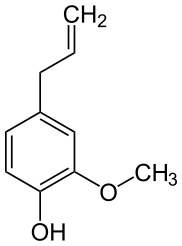
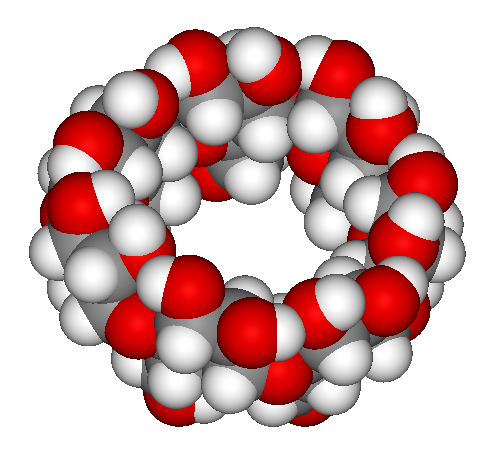
Efforts have been made to provide a more stable environment from which to deliver eugenol, which is present in “oil of cloves”, and is a popular preservative in the food industry, with antibacterial, antifungal and antioxidant properties. Normally, eugenol (Figure 2) is relatively sensitive to oxygen heat and light, which tend to degrade it, but when encapsulated as an inclusion complex in cyclodextrin (Figure 3), it is much more stable16.

4. Potential Environmental Health and Toxicological Issues.

From the ACS Select on nanotechnology in food and agriculture9, we may draw attention to the following subjects. Despite the attractiveness of using QSAR approaches to the determination of the econanotoxicological effects of ENMs, the complexity of the real environmental situation, e.g. many different kinds of organism and of material types, render the relationships difficult to apply because of a lack of reliable experimental data17. As an alternative, high-output screening combined with dynamic energy budget models is proposed18. Irrespective of the origin of the ENMs, i.e. whether they are deliberately introduced as part of an agricultural strategy, or present as contaminants, it is critical to know what effects they may have on the growth of plants. Thus, when wheat shoots were grown in sand that had been amended with silver nanoparticles, their growth was demonstrated to be stunted in a dose-dependent manner19. When Arabidopsis thaliana was exposed to CeO2 nanoparticles at a concentration of 250 parts per million (ppm), a significant increase in plant biomass was found, but as the concentration was increased to 500-2000 ppm, plant growth was decreased by up to 85% in a fashion that was dose-dependent20. Different effects were observed with In2O3 nanoparticles20. Although the environmental concentrations of ENMs are generally low, there is a risk that they may bioaccumulate in plants. Thus, it has been demonstrated that copper oxide nanoparticles will accumulate in maize plants, translocating from the roots to the shoots, and back again21. To explore the possibility of tropic transfer (movements of pollutants up the food chain), soil was inoculated with gold nanoparticles, and indeed, while the latter could be transferred to earthworms and thence to bullfrogs, the concentrations decreased by two orders of magnitude in each step22. It was shown that children may have the highest level of exposure to TiO2 nanoparticles, which are in relatively high concentrations in “candy products”23. Silica ENMs were found to enter the gut epithelium, after digestion in the stomach, alerting to a potential problem that requires further investigation24.
            Although nanoscale technology shows much promise in the food industry and in agriculture, its development must be done sustainably, and it is governments who will contribute substantially to this development25, mainly through existing regulations. Notwithstanding that, during the past decade, much effort has gone into the environmental health and toxicological Issues of ENMs, considerable uncertainly still remains, for which the following topics may be highlighted9:

measurement and metrology of ENMs in complex matrixes;
•environmental fates and transformation of currently known ENMs and ever increasing number of newENMs;
•nanobio interface between ENMs with human body and ecosystem species;
•exposure and full life cycle assessment;
•risk assessment and management of diverse uses of ENMs;
•safety by design; and
•sustainable nanomaterials and nanomanufacturing.

Nanoinformatics is an emerging field of research, for the design, data integration and communication of information regarding ENMs. Methods to predict the econanotoxicology of ENMs need major development and it appears probable that high-throughput, high-content screening methods will prove useful in assessing the safety of nanomaterials. I note a much cited review of the environmental and health effects of nanoparticles, of both natural and artificial origin26.

References.
(1) http://en.wikipedia.org/wiki/History_of_nanotechnology
(3) http://www.nano.gov/
(4) Kahn, J. (2006) Nanotechnology. National Geographic (June): 98–119.
(5) Prasad, S. K. (2008). Modern Concepts in Nanotechnology. Discovery Publishing House. pp. 31–32. ISBN 81-8356-296-5.
(6) Rodgers, P. (2006) Nanoelectronics: Single file. Nature Nanotechnology. doi:10.1038/nnano.2006.5.
(7) Crichton, M. (2006) Prey. Harper Collins, New York. ISBN-13: 978-0007796427.
(8) http://royalsociety.org/policy/publications/2004/nanoscience-nanotechnologies/
(9) Chen, H., Seiber, J.N. and Hotze, M. (2014) ACS Select on Nanotechnology in Food and Agrculture: A Perspective on Implications and Applications. J. Agricul. and Food Chem. 62, 1209-1212.
(10) Joseph, T. and Morrison, M. (2006) Nanotechnology in Agriculture and Food. Nanoforum Report. ftp://ftp.cordis.europa.eu/pub/nanotechnology/docs/nanotechnology_in_agriculture_and_food.pdf
(11) http://www.isaaa.org/resources/publications/pocketk/39/
(12) Lara, H.H. et al. (2011) Silver nanoparticles are broad-spectrum bactericidal and virucidal compounds. J. Nanobiotech. 9, 30. http://www.jnanobiotechnology.com/content/9/1/30
(13) http://cordis.europa.eu/news/rcn/24345_en.html
(14) http://www.nanotechproject.org/cpi/
(15) Li, Q., et al. (2013) Nanocellulose life cycle assessment. ACS Sustainable Chem. Eng. 1, 919−928.
(16) Kayaci, F., Ertas, Y.and  Uyar, T. (2013) Enhanced thermal stability of eugenol by cyclodextrin inclusion complex encapsulated in electrospun polymeric nanofibers. J. Agric. Food Chem. 61, 8156−8165.
(17) Kahru, A. and Ivask, A. (2012) Mapping the dawn of nanoecotoxicological research. Acc. Chem. Res., 46, 823−833.
(18) Holden, P. A. et al. (2012) Ecological nano-toxicology: integrating nanomaterial hazard considerations across the subcellular, population, community, and ecosystems levels. Acc. Chem. Res. 46, 813−822
(19) Dimkpa, C. O. et al. (2012) Silver nanoparticles disrupt wheat (Triticum aestivum L.) growth in a sand matrix.Environ. Sci. Technol. 2012, 47, 1082−1090.
(20) Ma, C.et al. (2013) Physiological and molecular response of Arabidopsis thaliana (L.) to nanoparticle cerium and indium oxide exposure. ACS Sustainable Chem. Eng.
1, 768−778.
(21) Wang, Z. et al. (2012) Xylem- and phloem-based transport of CuO nanoparticles in maize (Zea mays L.). Environ. Sci. Technol. 46, 4434−4441.
(22) Unrine, J. M. et al. (2012) Trophic transfer of Au nanoparticles from soil along a simulated terrestrial food chain. Environ. Sci. Technol. 46, 9753−9760.
(23) Weir, A. et al. (2012) Titanium dioxide nanoparticles in food and personal care
products. Environ. Sci. Technol. 46, 2242−2250.
(24) Peters, R. et al. (2012) Presence of nano-sized silica during in vitro digestion of foods containing silica as a food additive. ACS Nano. 6, 2441−2451.
(25) Bergeson, L. L. (2013) Sustainable nanomaterials: emerging governance systems. ACS Sustainable Chem. Eng. 1, 724−730.
(26) Buzea, C. et al. (2007) Nanomaterials and nanoparticles: Sources and toxicity. Biointerphases 2(4), MR17-MR172. http://arxiv.org/ftp/arxiv/papers/0801/0801.3280.pdf
(27) Rhodes, C.J. (2010) Solar Energy - Principles and Possibilities. Sci. Prog. 93, 37-112.

Captions to figures:

Figure 1. A photograph and representative spectrum of photoluminescence from colloidal CdSe quantum dots excited by UV light. The absorption and consequent fluorescence, moves to higher energies and hence toward the blue end of the visible spectrum, as the particle size decreases27http://upload.wikimedia.org/wikipedia/commons/5/57/CdSeqdots.jpg Credit: NASA.
Figure 2. Molecular structure of eugenol http://upload.wikimedia.org/wikipedia/commons/8/86/Eugenol2.svg
Figure 3. Space filling model of β-cyclodextrin. http://upload.wikimedia.org/wikipedia/commons/9/92/Beta-cyclodextrin3D.png

Friday, February 21, 2014

Peak Oil is Not a Myth.

This article was published by the Royal Society Of Chemistry, in their "flagship" magazine: Chemistry World. http://www.rsc.org/chemistryworld/2014/02/peak-oil-not-myth-fracking

One might have the impression that hydraulic fracturing (fracking) of shale deposits is the answer to world energy security. Certainly fracking has received much attention and investment, but its prospects must be considered in a broader context (1).
In the US, where practically all such operations have been conducted to date, fracking now accounts for 40% of domestic gas production and 30% of oil production. The price of natural gas has plummeted, and overall US oil production has increased for the first time since 1970, which had otherwise been falling in accordance with the predictions M King Hubbert made in 1956. 
© Shutterstock
However, this last point is the salient one. Sources of unconventional oil (listed below) such as tight oil (or ‘shale oil’ in popular discourse) are only commercially viable because the need to match the declining rate of conventional oil production has raised oil prices. It is the rate of production of oil that determines its supply, rather than the size of the reserves: ‘The size of the tap, not the tank.’ 

Oil check

Current data for the decline in oil fields’ production indicates that around 3 million barrels per day of new production must be achieved year on year, simply to sustain supply levels. This is equivalent to finding another Saudi Arabia every 3–4 years. In this context, fracking is at best a stop-gap measure. Conventional oil production is predicted to drop by over 50% in the next two decades and tight oil is unlikely to replace more than 6%. 
Once conventional oil’s rate of loss exceeds unconventional oil’s rate of production, world production must peak. Production of sweet, light crude actually peaked in 2005 but this has been masked by the increase in unconventional oil production, and also by lumping together different kinds of material with oil and referring to the collective as ‘liquids’. (More recently, the term ‘liquids’ is often upgraded to ‘oil’, which is highly disinformative since the properties of the other liquids are quite different from crude oil.) 
Fracking produces mostly shale gas (rather than oil), and the major growth in global ‘oil’ production has been from natural gas liquids (NGL; in part from shale gas). But the principal components of NGL are ethane and propane, so it is not a simple substitute for petroleum. 

Energy in, energy out

The energy return on energy invested (EROEI) is worse for all unconventional oil production methods than for conventional oil. 
‘Oil production is predicted to drop by over 50% in two decades’
This means that more energy must be invested to maintain output. As a rough comparison, conventional crude oil production has an EROEI in the range 10–20:1, while tight oil comes in at 4–5:1. Oil recovered from (ultra)deepwater drilling gives 4–7:1, heavy oil 3–5:1, and oil shale (kerogen) somewhere around 1.5–4:1. Tar sands is around 6:1, if it is recovered by surface mining, but this falls to around 3:1 when the bitumen is ‘upgraded’ by conversion to a liquid ‘oil’ substitute.
As conventional oil production has fallen, so has oil’s EROEI as we recover it from increasingly inhospitable locations, and with new technologies. The price of a barrel of oil has trebled over the past decade, but output has effectively flatlined. We may be close to the ceiling of global oil production (2), and the prospect of filling the gap with oil from alternative sources is daunting. 

Different rocks

Although fracking has produced sizeable volumes of oil and gas in the US, there is no guarantee that a similar success will be met elsewhere, including the UK, in part because the geology is different. Even in the US, it is the sweet spots that have been drilled, and the shale plays elsewhere across the continent are likely to prove less productive. 
The shale gas reserves in Poland have been revised down from 187 trillion cubic feet (tcf) to 12–27 tcf: at best, a mere 14% of the original estimate. And most of the production is likely to be gas. Even if we can exhume large volumes of gas at a generous production rate, converting our transport system to run on it would be a considerable undertaking, particularly given the timescale imposed by conventional oil production’s rate of decline. And there are many uses for oil other than to provide liquid fuels, for which substitutes must also be found.
Renewables do not provide a comparable substitute for crude oil and the liquid fuels that are refined from it, since the potential contribution from biofuels is relatively minor. Replacing the UK’s 34 million oil-powered vehicles with electric versions is an unlikely proposition, given the limitations of time and resources such as rare earth metals (3). Mass transit is the more likely future for electric transport than personal cars. The end of cheap, personal transport is a real possibility and may seed changes in our behaviour, such as building resilient communities that produce more of their essentials, such as food and materials, at the local level. 
There are many uncertainties, but it seems clear that the age of cheap oil is over. We are entering a very new and different phase of human experience.
Chris Rhodes is an independent consultant based in Reading, UK, and author of  University shambles

References.

Wednesday, February 19, 2014

Sauerkraut: skirmishes and surprises.


Having heard of the health benefits http://www.pickl-it.com/blog/202/sauerkraut-wonder-food/ of sauerkraut http://www.naturalhealth365.com/food_news/0982_raw_sauerkraut_anticancer.html, and fermented vegetables generally, I thought I would try it myself. The basic science is usefully outlined in these links https://www.foodpreservationmethods.com/sauerkraut-kimchi-pickles-relishes/sauerkraut/fermentation http://www.nourishingtreasures.com/index.php/2012/05/15/the-science-behind-sauerkraut-fermentation/. In essence, bacteria naturally present on the cabbage are encouraged to grow in a saline, anaerobic environment, which convert sugars to principally lactic acid (50%), acetic acid plus ethanol (25%), along with 25% CO2. Esters may also result, so contributing to the particular and unique flavours of different kinds of sauerkraut. It is widely held that the probiotics (beneficial microbes) present in sauerkraut are helpful to the digestive system along with other positive effects on health http://en.wikipedia.or/wiki/Sauerkraut#Health_benefits. Sauerkraut that is bought in shops has been pasteurised, and so all microbes, both good and bad, have been killed.  This enables it to keep for longer and also prevents the jars from exploding under the pressure of fermentation gases. Therefore, to explore the true probiotic advantages of sauerkraut, it is essential to make it yourself, as a living food.

It is sometimes said that the word sauerkraut means "acid cabbage", but this is wrong. The German word for acid is säure (prounounced "zow-ra"), while "sauer" (pronounced zow-er) means "sour" in English. The German word for cabbage is "Kohl", and it used to amuse some of my German friends that their then leader, Helmut Kohl, was actually "Chancellor Cabbage"! Kraut means "herb", or designates the leaves and stem of a plant as opposed to the root. Hence sauerkraut means "sour herb". The term "kraut" is more often used in compound nouns for herbs, and also for cabbage and cabbage products. [Krauterbutter is butter, flavoured with a mixture of herbs such as parsley, borage etc.] The generic term "kraut" in sauerkraut emphasises that many different kinds of vegetable can be fermented, not only cabbage.

So now, on to my own adventures with sauerkraut:


(37) As an "update" (22-6-21) here is a simpler, more failsafe method, and which uses less salt than in previous batches.

I first washed my hands, making sure to wash all the soap off, which might impede the fermentation process, and then dried them with paper kitchen towel to avoid any bacterial contamination from a cloth towel. I then took one medium sized white cabbage, removed the outer leaves (putting one leaf aside to be used as described later), sliced it into quarters and cut out the core. Using a sharp knife, I then shredded the cabbage, and put it into a large bowl. I sprinkled a level teaspoon of table salt (in the UK this is almost chemically pure sodium chloride), over the cabbage and stirred it around for a few minutes with a wooden spoon. I then sprinkled a second teaspoonful of salt over it and stirred again for a few minutes, then worked the cabbage with my hands for several minutes. [Note, this is about 1/3 of the amount of salt used in some of the earliest attempts - two tablespoonfuls - and 2/3 of the amount used in later batches - one tbsp].

I then introduced this salted cabbage - which had began to leak fluid and become soft - into a Kilner jar, and placed the saved "outer leaf" upside down over the shredded cabbage. I then put a shallow (about 4.5 cm deep, 6.5 cm wide) jar on top of this to hold the cabbage down, and added sufficient 5% brine both to fill this jar and to ensure that once its glass lid was pressed down and held in place with the plastic collar for it, the Kilner jar was completely full of liquid, and hence any air was excluded.

I then put the Kilner jar in a plastic bowl, loosened the lid (via its plastic collar) so that fermentation gases could escape (and stop the jar from exploding!), and left it to do its work. After half a day, there was some liquid in the outer plastic bowl, caused by expansion of the shredded cabbage by the fermentation gases produced, and overflow from the Kilner jar, which I poured off and then washed the outside of the jar and the bowl with water from the tap. This process of overflow continued for several days, whereupon the liquid level began to fall, creating a small air space,which I  filled up with tap water, then added a sprinkling of salt onto it. I repeated this procedure for about a week (in total, about 12 days from putting the cabbage in at the start), to keep the air out, which safeguards against infection by moulds or yeasts.

I then removed the inner, small glass jar and the outer cabbage leaf, and while still keeping the lid on loose, put the Kilner jar into the refrigerator. The kraut has a pleasant, tangy, acidic taste, and this overall method avoids using muslin cloth and pieces of kitchen towel, rubber bands etc. to cover the fermentation jar (as in the earliest trials), and the need for transferring the kraut to a second, storage jar to keep it in the fridge.

This "one pot" procedure seems to work perfectly with different kinds of single cabbage, mixed batches, and all variations that the imagination might conjure with!


There are various posts below about my sauerkraut "adventures" over a period of about 2 years (2014-2015), and here (36) is one, that is a bit more "experimental" than most of the previous batches.

(36) This time, I decided to make a "mixed" sauerkraut. Having worked mainly with fairly coarsely chopped cabbages over the past 2 years, since I began making sauerkraut, this time I chopped them very finely, since I wanted to get a good admixture of the different ingredients. I took a small red cabbage (1 1.2 lbs) and a similarly sized white cabbage, cut them both into quarters and removed the cores. I then shredded them as finely as I could with a sharp, serrated knife and blended them together, along with a grated carrot, and blended them together in a broad metal dish (about 30 cm in diameter) along with 4 crushed cloves of garlic and about a level teaspoonful of caraway seed. I added one tablespoonful of salt (15 mls) to this, mixing it all in well, and then left it for about half an hour. This allowed the salt to begin breaking down the cell walls and the cabbages mixture became soft, while liquid pooled in the bottom of the dish.

I then worked the mixture very firmly with my hands in the usual way, and after about 10 minutes the whole was very soft, and a lot of liquid had been expelled into the dish. I then packed this all very firmly into the 2 quart ( 1.3 litre) fermentation jar. Due to the fine shredding of the cabbage a much larger volume than previously could be fitted into the jar, and only a small amount (100 mls) of additional brine ( 1 tbspn of table salt in 500 mls of water) was necessary to completely cover the cabbage. I placed one of the original outer cabbage leaves over the shredded cabbage and placed an inverted jar over this to hold it down. I then filled the jar to the top with brine to keep the air (oxygen) out. I place the open end of a plastic food bag over the top of the jar, and a couple of pieces of muslin cloth on top of this, holding it all in place with a rubber band around the lip of the jar. I stood the jar in a dish, on top of a couple of pieces of kitchen towel, and let it ferment.

After a day or so, purple liquid overflowed the jar in collected in the dish, which I drained off and poured down the sink. As the fermentation slackened over the next few days, I added water to the jar to keep it full and oxygen out. After 14 days, the main fermentation was complete (i.e. very little further fall in the liquid-level in the jar) and so I removed the kraut into a storage Kilner jar, using a tablespoon. At first it appeared that there was too much kraut for the jar, and the liquid level was very low. However, due to the finely shredded nature of the cabbage it could be packed down very tightly into the jar using a desert spoon,  and when the jar was full to within about 3 cm from the top, the liquid level had risen so that the shredded cabbage was completely covered. I put the lid on loosely and placed the jar in the fridge.

This is an interesting sauerkraut, crisp in texture and with a mixture of strong flavours, dominated by the garlic, but with an undertone from the caraway seed. The colour is nice too - purple from the effect of the acidity which develops during the fermentation, on the colouring matter from the red cabbage - with orange pieces from the carrot.

This interesting project continues...


(1) This was the initial batch, and I think it was a case of beginner’s luck. I took a savoy cabbage (ca 3 lbs), removed the outer leaves, cut out the core and then sliced the rest of the cabbage fairly thinly, first lengthways then sideways, with a sharp kitchen knife, putting the whole into a large mixing bowl. I then added 2 level tablespoons (ca 40 grams) of table salt (in the U.K. this is chemically pure sodium chloride, and contains no iodine, which it is recommended to avoid) and then worked the cabbage firmly with my hands (first thoroughly washed, rinsed and dried with a sheet of kitchen-towel, which is fairly sterile, while ordinary towels usually have bacteria on them). After a few minutes, the cabbage began to grow wet, and limp, and water started to collect in the bottom of the bowl. I continued with this action, and also by rolling fist-sized chunks of the cabbage between the palms of my hands, to provide a kind of shearing force. After about 10 minutes, the volume of the cabbage had reduced to perhaps one third of the original. I then began to put the cabbage into a quart (1.3 litre) jar, fitted with a lid. I first sterilized the jar, its lid and the square jar (mentioned below) with boiling water. I have noticed that after this salt-workout, the skin of my hands becomes very soft, so perhaps I am sloughing-off some of the surface layers, which may contribute to the final sauerkraut in some way.

Since the quart jar had originally contained pickled gherkins, which were sealed under a partial vacuum, there remained a small slit in the lid, as we had to make in order to equalise the air pressure and open it in the first place. I pressed the cabbage down using a smaller, “square” jar that fitted inside the large one, filled with water to add weight, and closed tightly with its own lid. I then put one of the original outer cabbage leaves over the cabbage and the jar on top of that. By applying pressure, the liquid was forced up, so to cover the cabbage. I then closed the main jar with the lid with the slit in it, which served to vent any gas produced during the fermentation process. To avoid any airborne particles, spores etc. from getting through the slit, I placed a muslin cloth over the lid, which I held in place with a rubber band. 

Well, this was pretty much it, and it was only necessary to let nature do its work, i.e. the lactobacillus (bacteria) to ferment the sugars to a mixture of lactic and acetic acids (“sauerkraut” means “acid cabbage”), plus carbon dioxide. The CO2 could escape from the jar through the slid in the lid, but it also served the purpose of flushing the oxygen from the head-space above the liquid. If the liquid content is insufficient to cover all the cabbage, then it is fine to make a solution of one tablespoon of salt (20 grams) in 400 millilitres of water, i.e. a 5% brine solution, and add sufficient of this until the cabbage is submerged.

After about 11 days in a room with a temperature ranging from about 55-65 degrees Fahrenheit, the sauerkraut was ready to eat, and I used a slotted serving spoon to transfer it to a Kilner jar, which I placed in the fridge, but with the lid on loosely to allow any CO2 to escape, since the product is still fermenting at this stage, albeit much more slowly than at room temperature. It is important to keep the sauerkraut under liquid in the Kilner jar too, to avoid other “bad” bacteria getting in, the consequences of which I shall describe. It tasted very much like sauerkraut that I have eaten in Poland and Germany, so it was the real McCoy. It was, however, very salty to the taste, and I found myself putting a batch of the sauerkraut into a strainer and washing some of the brine away before eating it. This does lose some of the additional flavour though.


(2) I then cleaned out and sterilized the fermentation jar using boiling water and proceeded much as above, but I only used one level tablespoonful of table salt (not two) this time. In addition, I chopped up a whole red onion, and grated a small carrot, which I mixed in with the cabbage, before putting it into the jar to ferment, along with two level teaspoonfuls of caraway seeds.

Due to the high sulphur content of the onion, after a few days, the house began to reek of sulphurous gases (hydrogen sulphide, dimethyl sulphide etc.). However, it is our routine to open all the windows first thing, to get rid of the moist air from inside the house as an antidote to the problem of water pooling particularly in the kitchen and bathroom, but elsewhere too, leading to the growth of mould, and so the smell was soon eliminated. Indeed, since every cloud has a silver lining, the stench from the sauerkraut provided a good indicator of when all the humid air had been exchanged for the fresh air from outside. There was more froth produced this time, presumably because the carrot added additional sugar to the system, some of which was converted to CO2. The product was very tasty, aided by the onion and the caraway seed, and I placed it in the Kilner jar, with the lid loose, in the fridge.


(3) This time, my luck ran out! I proceeded as above, using shredded cabbage, and half a red onion this time (which mitigated the smell considerably), a small carrot and two teaspoonfuls of caraway seed. All seemed to go well, and the product was once again very flavoursome, but I was careless in not keeping the sauerkraut covered with brine, in the Kilner jar in the fridge. The result was that I suffered some diarrhoea over a couple of days, which was not too serious, but I made the mistake of using some of the leavings from this batch to inoculate the next one. This worked very well, but because there was “bad” bacteria growing in it, the entire new batch became infected. Rather than the healthy smell of the previous batches, it smelled “off” (a kind of sweetish, "rotting cabbage" type of aroma), and so I put it on the compost heap. No reason to waste it, just feed it to the garden instead.


(4) I decided to try fermenting a red cabbage. This had a somewhat firmer structure than the white (savoy) cabbage, and so the final product retained some of this al dente quality. The amount of froth seemed greater than with the savoy cabbage alone (Batch 1), and similar to those batches (2 and 3) which contained additional sugar from the grated carrot that I had added. Noticeable too, was that as the fermentation proceeded (over 11 days) the colour became that of a deepening and attractive magenta. This is because the colouring matter (anthocyanins) in red cabbage acts as a pH indicator. Indeed, when cooking red cabbage, I add some vinegar to it, to keep the colour, which is more appealing to the eye. It is the same when cooking beetroot, e.g. in making borscht, to which a couple of teaspoonfuls of vinegar preserves the magenta shade.


As before, I then removed this sauerkraut to the Kilner jar (first sterilized with boiling water) and put it into the fridge. The most noticeable aspect this time was an unusual smell. We puzzled as to what it reminded us of, and after a while we realised that this lactofermented red cabbage smelled of mustard. I imagine that this is from the isothiocyanates that are produced during the fermentation process, of which there must be more in red cabbage than in white cabbage. I have previously extracted the essential oil of mustard by heating either the seeds or the dried powder (English mustard) in the presence of steam (a process called steam-distillation), which is, or contains, allyl isothiocyanate, and it would appear that similar compounds are produced by lactofermentation of the sulphur compounds in red cabbage. I shall repeat the procedure of batch 1, using a savoy cabbage, but using only one level tablespoonful of table salt, keeping my senses keen for the detection of any mustard smell or taste.

Thus, from the red cabbage, we have a very pleasant kind of sauerkraut, with an appetising mustard relish.

(5) I decided to return to simplicity, and ran a batch of savoy cabbage with a couple of teaspoonfuls of caraway seed added. I made sure that the shredded cabbage was fully submerged by adding 400 mls of 4% brine.The difference between the first batch and this is that some white mould grew on top of the cabbage leaf, that I had used to cover the shredded cabbage, and above it in a couple of places, on the side of the jar. I have not noticed this in any of the previous runs, although others have experienced the phenomenon, judging from some of the on-line discussions. I wonder if the warmer weather now might be encouraging the growth of mould? I simply removed the mouldy leaf carefully, and discarded it, along with the top (half inch?) layer of the sauerkraut, onto the compost heap.

This batch is very tasty, and I am making sure that I press it down under the liquid, in the storage jar, after I remove some of it to eat. We have eaten it over a few days now, with no ill effects, and so the procedure of working from scratch, sterilizing all utensils with boiling water first, NOT inoculating the next batch with liquid from the previous one, and ensuring that both during the fermentation stage and subsequent storage, the sauerkraut is kept covered by liquid, seems to work. There is no detectable mustard odour this time, which seems to be a specific feature of fermenting red cabbage. This is probably due to a molecule called sulforaphane  http://www.whfoods.com/genpage.php?tname=foodspice&dbid=19 which is an isothiocyanate, as I had surmised. It's useful being a professor of chemistry, at times! :-) I started another batch earlier, using just savoy cabbage (I forgot to add the caraway seed, this time!), and we shall see if this turns out OK too. 

(6) I attempted to repeat the above, and my having been away for several days, the batch ran for longer this time. Again, mould began to grow on that covering cabbage leaf, but extended more severely given more time and warmer weather. I removed the leaf, but the mould on it had begun to infect the shredded cabbage below, as was obvious from the "mouldy" smell. I wasn't going to risk eating bad bugs (as in run 3) again, so this one ended up on the compost heap too!

I am pretty certain that the problem is that leaf, which is supposed to act as a kind of seal, and help to keep the shredded cabbage underneath the brine. However, those parts of it that rise above the brine, and are hence exposed to the air, provide a surface for mould to grow on, and so it's time for a repeat, but using extra brine as necessary, and putting the water-filled square jar onto the shredded cabbage directly, to keep it well below the surface. So all in all, 4 out of 6 batches have worked to date.

(7)This batch, using savoy cabbage, has fermented perfectly! Very nice "healthy" smell of acidic cabbage (i.e. sauerkraut). It tastes pretty good too. No trace of mould this time, so avoiding that outer leaf as a "seal" over the shredded cabbage is a good strategy, as is keeping the brine level up.

One point is that as the cabbage fermented, the level of liquid rose, probably due to pockets of fermentation gas which caused the bulk to expand. This, however, was counteracted by simply removing a few tablespoonfuls of liquid, periodically, to avoid overspill.

I had also included the outer leaves, shredded, in the fermentation batch, and so the feel on the teeth is slightly on the "tough and chewy" side, (al dente!), but it is a very edible and flavoursome product.

I think we may have the correct recipe now!

(8) This time, I used a "white cabbage" (no "savoy" cabbage available). I cut it in half and removed the core, then shredded it directly in a large mixing bowl, with a sharp knife, adding one tablespoon (20g) of table salt to it, and worked it with my hands as described before. This time, quite a lot of water came out of the cabbage, and formed a shallow pool at the bottom of the bowl. I also added a teaspoonful of caraway seeds. I transferred the whole lot to the fermentation jar, and covered it with a solution of one tablespoon (20g) of table salt dissolved in 500 mls of water (i.e. a 4% brine solution).

I forced the mass down with the square jar full of water, held that down by putting the lid with the slit on top of the fermentation jar, and covered it with the muslin cloth, kept in place with a rubber band.


This one worked (lactic acid odour) but there was a strong smell of yeast, which is probably not good. Not sure what happened here, but perhaps the batch having stood for 16 days is part of it. To be on the safe side, we decided to put this one on the compost heap. I think that better attention to time, i.e. not leave it more than 11 days.

A couple of thoughts on what might have caused the yeast to grow: (1) I had almost certainly have introduced oxygen when I removed the lid to decant some of the liquid, as the cabbage mass "swelled". Perhaps I should just have left it to overflow? (2) It is much warmer, being Spring, and so the growth of yeast or moulds may be a more critical factor now.

(9) "Pointed spring cabbage" used this time (again no Savoy available), and again just one tablespoonful (20 g) of salt, sprinkled throughout the bulk of the shredded cabbage. There is less material and so the fermentation jar is about 3/4 full, hence there will be no need to remove the lid due to the liquid level rising. I included some of the shredded outer leaves (as in batch 7), and covered the whole to a depth of about 2-3 cm by adding 500 ml of 4% brine. I also sterilized the muslin cloth in boiling water, before putting it over the top of the lid, where it is held in place with a rubber band.

I have made a note of the date, to avoid leaving the fermentation too long this time. I suspect that over a longer time there is a risk of out-competition by other organisms, e.g. yeast!

The batch worked perfectly. Interestingly, there is a pleasant "mustard" relish to it (as when I used red cabbage (4)) and a wonderful "sauer" aroma. The fermentation had run for 11 days, and there was a hint of mould in one place, so I skimmed-off the top half inch or so, just to be sure of avoiding harmful bugs. It really tastes great - probably the best of the batches so far!

(10) Another run with white cabbage, but avoiding covering with a cabbage leaf which attracted mould last time. I shall also leave the whole sealed until I am ready to see how it has proceeded in 11 days time. Under the present conditions, this appears to be the critical time period. Long enough for fermentation to occur significantly, but not long enough for moulds and other nasties to take hold.

I think that white cabbage must be naturally infected with yeast, as once more with this type, after 11 days of fermentation, the smell of yeast was overwhelming. Evidently the yeast can survive the salt water. Another batch onto the compost  heap! I shall avoid trying to make sauerkraut from this sort of cabbage in future.

(11) Another batch commenced, with "pointed spring cabbage".Alas, after 11 days, there was mould growing on the top and even after removing the upper inch or so, there smell was "off". Another batch consigned to the compost heap.

(12) Set off a new batch, using Savoy cabbage, and this time 40 g of salt (as in batch 1), hoping this will allay any mould or yeasts that might be floating around.

Hmmm... alas, mould clearly growing after just 3 days, and a very strong smell of "rotten cabbage". I am assuming that there is a lot of mould floating around - damp conditions and warm, with in being almost summer. Another batch on the compost heap!
50:50 success rate so far, with most of the trouble occurring during these more recent wet, humid months. Making sauerkraut is definitely easier during the winter!


Seems the mould problem is being experienced by others too, from what I can read on-line. Also the lids of the main fermentation jar and the smaller "weight" square jar are becoming rusty, a process that is worsened by the salt.

(13) Tried another batch, this time of red cabbage. Used 2 tablespoonfuls of salt, to work the cabbage with, and filled the fermentation jar up to within 2 cm of the top (to minimise any oxygen content), with brine [one and a half tablespoonfuls of salt (30g) in 500 ml of water]. No square jar (weight) or intact cabbage leaf on top of the shredded cabbage. Left it to ferment for 10 days. There was some mould (looked like jam-mould) and white scum on the top, but restricted to the surface.

Removed the upper 3 cm of the cabbage, and discarded it onto the compost heap. As before, there is the hint of mustard both in smell and flavour, and this batch looks OK.


So, the "trick" of filling the jar almost to the top to keep the air/oxygen out, seems to have worked.

Put
the sauerkraut into the storage Kilner jar, in the fridge, making sure that it is well covered with the brine, which, as last time, has turned a rich magenta colour.

Have been eating the suaerkruat for several days with no ill effects, and it is delicious. I am wondering if, in addition to keeping the air space volume low, the red cabbage and its isothiocyanate compounds actually discourages the growth of yeasts and moulds?

Now this was just a hunch, and I have now done a bit of research into the matter. Indeed, it has been long known that isothiocyanates are highly active in retarding the growth of fungi http://www.ncbi.nlm.nih.gov/pmc/articles/PMC547042/pdf/applmicro00234-0030.pdf
including yeasts http://www.ingentaconnect.com/content/iafp/jfp/1997/00000060/00000001/art00013

(14) Ran another batch of red cabbage, which worked well too. There was a sight rotting ("off") smell on opening the jar, from cabbage that had risen to the surface and was above the brine layer, but having removed the top inch to put on the compost heap, the rest is delicious, with its usual healthy acidic aroma and taste.

No surface "jam-mould" this time either.

(15)  I have just set-on another batch of red cabbage, to see if we have the recipe right now. 2 tablespoonfuls of salt used for the kneading process, and the cabbage shredded somewhat more finely than in previous batches, which caused more of the (red) liquid to be drawn out . Placed in the fermentation jar, and topped up with 4% brine (20g of salt in 500ml) to an inch from the top.

Lid on and covered with muslin cloth, held in place with a rubber band.

Another dud, I'm afraid! Loads of mould had grown, mostly at the top, but on pouring the whole lot onto the compost heap, it was obvious from the white scum at the bottom that the mould had taken hold right through the cabbage. It appeared that the finely cut cabbage had upwelled, in a process known appetizingly among the sauerkraut-making community as "heaving". The effect is due to fermentation gases making the bits of cabbage bouyant, so casing the mass to expand.

This would have brought a significant amount of the cabbage above the brine layer, where mould could grow. However, in the last two batches, which were fine, there was a layer of cabbage above the brine but no mould at all in one case, and just the surface "jam-mould" in the other. Not sure exactly what's happened this time, but I have kerned that making sauerkraut is as much an art as a science.

(16) OK, have put another batch of red cabbage on, but made every effort to (1) minimise the oxygen in the jar, and (2) keep ALL the cabbage underneath the brine.

Red cabbage chopped, and worked with 2 tablespoonfuls of salt. Far more liquid came out this time than in previous runs. All added to the fermentation jar. Two outer cabbage-leaves put over the chopped cabbage, but weighted down with an inverted "flat" jar (4 cm in height, and 8 cm in diameter). Jar topped right to 1 cm from top with 5% brine. Any floating bits of cabbage were removed. The level of brine is about 5 cm above the cabbage-leaves on top of the chopped cabbage, which should protect it all?

Fresh muslin cloth over the top, held in place with rubber band. As this muslin was a bit wide-holed, I have put a piece of kitchen towel underneath it, to help keep out any airborne moulds.

This strategy seems to have worked a treat. No trace of mould or anything else nasty, Just good tasty sauerkraut. It has also kept well in the fridge in a Kilner jar, while we were away for a week.

(17) Trying the same principle with a pointed spring cabbage. Cabbage shredded and worked with two tbsp of salt. Put into fermentation jar. Actually quite a small cabbage and so it only filled one third of the jar. Put one of the outer leaves on top of the shredded cabbage, but in a concave-side down fashion, and then two inverted shallow jars on top of that to fill the headspace. Then poured 750 mls of 5% brine into the jar to fill it to within 1 cm from the lid. Lid on and piece of kitchen towel, followed by two pieces of coarse muslin placed over the lid, with all three layers secured with a rubber band.

There was some slight overflow of liquid from the jar, which soaked into the muslin cloth, giving it a rusty colour presumably from the slightly corroded lid, with the brine in contact with it, and kitchen towel, but no harm done.

This batch worked wonderfully, with no mould at all, and a delicious "sauer" aroma. It tastes delicious. So, keeping the air space to a minimum (zero, in this case) and all the cabbage kept well under the salt solution is the key to successful sauerkraut production.

One interesting, and for a few minutes rather confounding point was that although I had managed to put the two empty jar inside the main fermentation jar, inverted and on top of the intact cabbage leaf to hold all in place and prevent heaving, while the first one came out OK face-down, the lower one would not come out end-on! I racked my brains for a while, feeling a little as though I was in an episode of the Twilight Zone, as surely I thought, the diameter is the same face-down or end-on, but of course, the effective length is only equal for both situations at the central point, i.e. if the depth of the jar being inserted were close to zero.

For a real jar (depth 4 cm), the effective length of the larger jar becomes smaller on moving away from its centre, so that the jar one is trying to insert or extract, end-on, is too big to get in or more pressingly, out! :-)

(18) Following the success with the last batch, I have decided to go for broke and try fermenting a white cabbage. You may note that all such attempts so far have failed with this type of cabbage, due to the overgrowth of yeast, as can be smelt profoundly on opening the jar! Perhaps the compost heap will be denied its dinner this time! :-)

Yes, a perfect result!! After 12 days, the healthy and gentle "sauer" aroma was extremely pleasant, as was the taste! The sauerkraut had a quite soft texture this time, and there was the hint of mustard to the smell/flavour. I had filled the fermentation jar with (4%) brine up to 1 cm from the top, and held down the shredded cabbage by placing a couple of intact cabbage leaves over it, all weighted down with a single inverted jar, which could be removed easily once the work was done. I put two layers of kitchen towel over the lid, and a couple of pieces of coarse muslin over this, all held on with a rubber band. The cloth/paper towel was damp, which showed that the liquid had overflowed to some extent, through the slit in the lid, due to "heaving" as the fermentation proceeded.

However, this meant that there was no air space, and so nowhere for yeast/moulds to grow. The latter seem to flourish where there is a significant brine-free space and oxygen present. Filling the jar up with brine, nearly to the top, avoids this.

I put the muslin pieces into a glass jug and covered them completely with boiling water, to kill any nasties that may have been growing on/in the wet exposed material.

(19) In view of the success of the last batch, I am running another batch, this time of pointed cabbage (also known as "sweetheart cabbage") exactly as in (18). There were no white cabbages left in the shop! Hopefully next year, we will have cabbages from our own garden!

2 tbsp of salt were added to work the cabbage with, which withdrew a fair amount of liquid. Then 1 tbsp of salt dissolved in 500 mls of water (4%) poured into the jar, plus sufficient water (about 50 mls extra) to bring the liquid up to within 1 cm of the lid. Before adding the brine, I squeezed a large outer leaf over the shredded cabbage, with none of it entering the small air space. I have placed the inverted small jar on top of the large leaf, to weight it all down. Most likely the air space will fill as the brine level rises due to heaving as the fermentation proceeds, so any stray "ends" of the leaf will remain under the brine and out of contact with air/oxygen.

Even after 2 days, the paper/muslin cloth is damp, which shows that the fermentation/heaving has begun in earnest, and excess liquid is leaking out of the slit in the lid. It occurs to me that the salinity of the liquid will probably prevent moulds or yeast growing on the paper/cloth, and all the more so during the fermentation period, because the salt concentration will increase as the liquid is increasingly absorbed and evaporates.However, maybe leaving an inch (2.5 cm) as a head space depth, rather than just 1 cm is a better strategy, to avoid too much overflow.

Hmmm, curious outcome. Although the cloth remained wet for about 8 days, it then dried. So today (day 11) I took the lid off, and it appears that the liquid level had fallen to about 3 cm from the top. I can only assume that the heaving cabbage as it fermented continued to displace fluid out of the top of the jar, but then there must have been a "settling" of the chopped cabbage or the covering leaves, to occupy less space. The covering leaves were actually above the liquid level. No obvious mould though, but I have removed the upper inch to add to the compost heap to be on the safe side, and the rest of it was absolutely fine. Very tasty and with no harmful effects.


(20) Same technique as in (19) but with a savoy cabbage. The latter chopped finely, and worked in the hands with 2 tbls. of salt. The whole reduced in volume to about one third of the original, which I placed in the fermentation jar, previously sterilized with boiling water. Put one of the outer cabbage leaves over the chopped cabbage, then added the inverted shallow jar as a weight, and topped the whole lot up with 4% brine solution (20g salt in 500 mls of water), to within 2 cm of the top. Then screwed the lid on. 2 layers of kitchen towel and a couple of layers of muslin cloth over them, all held in place with a rubber band.

Fermentation visible within hours (bubbles), and the towel/cloth became wet within 24 hours, showing that the heaving process had displaced the liquid so that the jar was full, and obviously overflowing to some extent through the slit in the lid.


This will keep any oxygen out and all the cabbage under the brine layer. So far this has produced a healthy and flavoursome sauerkraut, and so I am hoping for a similar result this time too! I note that the last 4 batches have been fine! :-)

[I am also thinking that as the overflowing salt water, which is absorbed by the paper-towel/cloth, evaporates, the concentrated salt that it leaves there, will prevent anything nasty, i.e. moulds or yeasts from growing, and act as a barrier to infection of the kraut, even if the liquid level drops back during the fermentation to recreate some air-space].

Voila! After 12 days fermenting, we have a wonderful, aromatic (if you like the smell of sulphurous compounds!) sauerkraut. In the storage jar, in the fridge now. So, the technique has worked successfully for the last 5 batches.


The taste is really good, too!


(21) Repeated (20) using a savoy cabbage, and another success - the 6th in a row!


(22) Repeating (20), again using a savoy cabbage, which seems to be all there is in the local store these days! :-) I am pretty confident that this will work with all types of cabbage and maybe other kinds of vegetable.  Worked a treat. Absolutely delicious "sour" smell and taste - the 7th in a row!

I am thinking that now the weather is much colder, the growth of yeasts and moulds will in any case be discouraged. However, some of the earlier batches, run in early March did get infected and so I have confidence that it is the new technique that these good results are mainly due to the new technique.

(23)
Another batch of savoy cabbage running now, with a teaspoonful or so of caraway seed added to it. Another success (8th in a row). Heavy flavour of caraway this time.


The only problem is that the steel lid on the fermentation jar is beginning to corrode quite badly, presumably because of its contact with the salt-solution, particularly when the cabbage "heaves" during its fermentation and some of the liquid is displaced, as noted.


(24) Another run of savoy cabbage alone (2 tblsp of salt used to work it with). No lid on the fermentation jar this time, but instead a food bag placed sideways on as a plastic sheet to cover it (1 cm slit made in it with a knife), and the two layers of kitchen towel, and two sheets of muslin on top, all held in place with a rubber band.


I have set the jar in a bowl in case of any overflow.


The liquid level dropped after about day 7. I did top the jar up to about an inch from the top after day 10, but it fell again. Opened after day 12 and there was a very fine mycelium growing on top of one of the covering cabbage leaves which the liquid level drop had brought above the surface. To be on the safe side, I removed the top inch of sauerkraut below it and put it onto the compost heap. 

Have been eating it for a couple of days with no side-effects. The flavour is wonderful (slight mustard). I think, as usual, the trick is to keep that liquid level as near the top as possible and any leaves fully submerged.

(25) Essentially a repeat of run (24) but with the cabbage shredded very finely: cut in 2 mm widths, then cut crossways as finely as possible, although this is difficult as the cabbage begins to fragment as it is cut.


It is November the 8th and wow, that cabbage is COLD to work with the hands! Red fingers, like when playing snowballs when I was a kid. :-) Shredded cabbage in jar, and topped up with brine (1 tblsp of salt in 500 mls of water). Shallow 8 cm wide inverted glass jar used as a weight on top of the covering leaf, which this time I have put 4 slits into, at respectively 2 cm from the stalk of the leaf and 3cm from the outside of the jar to help let fermentation gases out. I am hoping this might help to reduce the sporadic liquid level problem. Sufficient tap-water added to bring the final liquid level up to 1 cm from the top of the jar.

Again, no lid on the fermentation jar this time, but instead a food bag placed sideways on as a plastic sheet to cover it (1 cm slit made in it with a knife), and the two layers of kitchen towel, and two sheets of muslin on top, all held in place with a rubber band.

Some overflow, but all caught in the dish. Needed topping-up with brine after about 8 days. This has prevented any mould growing this time.A perfect batch of sauerkraut! Slight mustard and  "heathy" sulphurous smell/taste.

(26) Same as the last one, but with one difference, that I sliced the cabbage as finely as I could, and finer than for any of the previous batches. It has been in the storage jar in the fridge for perhaps 7 days. And it is DELICIOUS!

The sauerkraut has formed a soft texture, and it has an amazing mustard plus sour taste! The flavour seemed to improve over a week or so in the storage jar, in the fridge, and the kraut softened.

Without doubt, this is the best yet! ...the trouble is I'm not sure precisely why it has turned out so well? I am suspecting that it is the fineness of the cabbage that has mad the difference. By shredding it as I have done, the surface area is much larger, so assisting access to the nutrients by the lactobacilli.

I am currently doing a permaculture design course, which emphasises the importance of "edges", as being the regions where most activity occurs. Thus, I have created more edges and so the cabbage has been more worked-on/fermented.


(27) Another batch on, equally well-shredded, and so let's see if it tastes as good as the previous one.

Crisper in texture this time, but a smell of hydrogen sulphide when I took the top off. Skimmed off the first inch of kraut from the top, to be safe, and then the more usual "saur" smell was evident.

This one remained on the crunchy side, but did improve in flavour over the couple of weeks it was kept in the fridge.


(28) Used two "sweetheart" (pointed) cabbages. " because they were rather small, and not as tightly "packed" inside as the savoy, or the white cabbage.

Slight white film floating on the top this time, just in the centre, about 2 inches across. Removed this with kitchen towel, the two leaves on top of the "kraut" and the top inch, all food for the compost heap. Odd slight "apple" smell, which oddly disappeared once the kraut was transferred to the storage jar and had been in the fridge for an hour or so.

This time the flavour was strong, almost "meaty", but I rather like it. It goes well with the salt-taste! Different taste from batches (9) and (19).

It is remarkable how the various batches differ from one another. 


(29) Have changed the inverted jar that acts as a weight on top of the intact outer cabbage leaf to hold the shredded cabbage down, to a larger and slightly deeper (and therefore heavier) jar. It worked well. The effect of "heaving" during fermentation does still raise the inverted jar and so an air-space is created probably when the kraut settles again. So, a jar filled with water is now place on top of this, over the paper and cloths, to hold it down.

Rather than fermenting for 11 days, as I did for most of the earlier batches, which produced a "crisp" kraut, if the process is left for 14 days, a rather softer texture results, which we prefer. So, the fermentation-time can be adjusted according to taste.


I also attended a short course on fermented foods run by Annie Levy at the Reading International Solidarity Centre (RISC), last Saturday (7th March). This was part of the Permaculture Design Course, run by Steve Jones of Sector39, over six weekends at RISC. That was weekend 5, and we have to produce an actual design for the final installment in a fortnight's time.

Annie gave me the opportunity to demonstrate my technique for working a shredded cabbage into sauerkraut and made a short video of me in action: https://kitchencounterculture121.wordpress.com/2015/03/08/strong-hands-massaging-cabbage/ So, these same "strong hands" processed another (savoy) cabbage yesterday morning, which is working its mojo as we speak!


(30) Repeated the above procedure, and left it to run for 14 days, Once again, a really tangy, soft kraut was produced.

By the way, the PDC was completed last weekend, which left us all with mixed feelings. On the one hand, the course was wonderful, and so we will miss our alternate weekends learning abut permaculture, and yet it feels like the start of a new phase. Nothing for it, but to put our permaculture design into practice, and wait for our certificates to arrive! :-)


(31) This time I used a white cabbage. Chopped the cabbage as finely as possible, using just one tablespoonful of salt to work it. The outer leaves of this kind of cabbage are quite stiff, and so I fitted this over the chopped cabbage, and topped it all up with brine (1 tblsp in 500 mls of water, rather than the 2 tblsp I had used in most of the previous batches). I didn't put the inverted jar on top of it as a weight, as it has proved a bit difficult to extract, and I closed the jar with a plastic food-bag, with a slit in it, a couple of pieces of kitchen towel, and two layers of muslin cloth. I held the whole in place with a couple of tight rubber bands, and set the jar in an earthenware dish to hold any overflow.

Let's see how this one gets on! My typical fermentation-time is 14 days now (up from the original 11 days), which seems to give a good, soft, tangy kraut.


Yes, another success. Compared with the Savoy cabbage, this gave a kraut with a slight mustard relish. It is absolutely delicious!


(32) Another batch on, this time with a Savoy cabbage. One tblsp of salt used to work the cabbage, a large outer cabbage leaf put over the chopped cabbage, and the whole lot  topped up with brine (1 tblsp in 600 ml of water). Absent mindedly, I did put the small inverted jar on top as a weight this time.


As usual (now), I have placed a plastic food bag over the top, with a couple of layers of kitchen towel, and two pieces of muslin cloth. I have found a couple of tight rubber bands which hold everything in place, and stop the jar etc. from rising. This is another innovation!

Because there is a lower salt concentration in this batch (only 1 tblsp used to work the cabbage) I am keeping an eye on the liquid level. THE trick to avoid contamination, I have learned, is to keep the jar topped up as far as possible. Now, the batch has begun to ferment and the dish in which the jar is standing has overflowed into it.

OK, I have poured this down the sink, taken the top off, sprinkled salt onto the inverted jar (which is almost as wide as the hole in the fermentation jar, so it is is bit difficult to pour water into the jar to top it up), and carefully poured water onto this. so that it dissolves the salt and runs into the jar. So, the liquid level is practically back to the top again.


Food bag, kitchen towel sheets and muslin cloths now back on, pulled down tight against the top of the jar, and secured with the tight rubber bands. I will watch for any overflow, topping the jar up as necessary with water to keep the air out, and the same if the kraut settles so bringing the liquid level down.


The whole fermented wonderfully, and the kraut was so tasty that I hunted out another, and very large, white cabbage to run another batch.

Even with the warmer weather which had previously thwarted my sauerkraut attempts, and white cabbage being especially vulnerable to yeast infections, I have had no problem using the method I now use.

So, I keep an eye on the liquid level and simply take the "lid" of and top it up practically to the top of the jar when it falls. Soemtimes I sprinkle some more salt in to keep the brine concentration at an adequate level.


The smaller inverted jar only just fits inside the larger fermentation jar, and so topping the level up takes a little care and generally I pour the water onto the inverted jar and let it trickle down the sides to raise the overall liquid level.

Really, this is the key trick, to keep the air/oxygen out and make sure that there is no shredded cabbage, or the intact leaf that I put over it to hold the finer material under the liquid, exposed to the air.

This has proved to be the failsafe mechanism!


 Usually only one tbsp of salt is required to work the kraut, unless the cabbage is very large.


(33) Large white cabbage processed as described, and two tbsp of salt used to work it before fermentation. 

Again, it has worked fine and even with the warmer May weather, there is no trace of mould or yeast as in the batches that I ran this time last year. So, keeping the jar topped up with liquid is the key.

This time, the kraut is quite al dente, and it is quite interesting how variable the different batches can be, even when they are ostensibly identical. I wonder if the larger size of the cabbage correlates with a tougher structure? Due to the large size, however, the product needed two of the normal sized Kilner jars to store it in, and a bit more fridge space

(34) This time used pointed ("sweetheart") cabbage. This is a much "looser" kind of structure compared with savoy or white cabbage, and so I used 2 of them to fill the fermentation jar sufficiently. Cut up finely, including the outer leaves, and put into the fermentation jar, as in the last batch, with one outer leaf over the kraut, and the inverted jar on top of that as a weight.

Keeping an eye on it. Topping it up with water as necessary to keep all the cabbage protected from the air. Draining off any overflow, as the kraut upwells and settles again as the fermentation proceeds.

It is necessary to monitor the liquid level almost daily, as the kraut does settle as the fermentation proceeds, so creating an air space, which needs to be filled with water. The occasional upwelling occurs too, so the liquid spills over a little, but this is caught in the dish that the fermentation jar stands in.

The batch is excellent, with a wonderful "acidic" aroma and taste, actually a bit like vinegar! The consistency is quite "soft".

It is now almost the end of June and hot, but no moulds or yeasts have troubled us, as yet, this year, so I think that the method we are using is now sound!

(35) As before, but needed three "sweethearts" as they were rather small. But, it is now August 30th, and we have still had no problem with moulds or yeasts