Thursday, November 14, 2013

Radiation, Free Radicals and Disease.

This text is based on a lecture, "Radiation, Free Radicals and Disease," first delivered by Professor Chris Rhodes at Kingston University, London on Wednesday, November the 27th, 2013, and which he gave subsequently at the Slovak Technical University in Bratislava (24th June, 2014), and the University of Constantine the Philosopher in Nitra, Slovakia in 2014 (25th June, 2014).

Radiation breaks down water in living cells into dangerously reactive free radicals which subject our bodies to a continual assault, attacking essential molecules of life such as DNA and proteins. Since radiation has been around for as long as the Earth has, we have fortunately evolved efficient defense systems called antioxidants, which generally intercept the radicals before they do too much damage. The energy spectrum of radiation spans the range from radio-waves, at fairly low energies, through the microwave, infra red, visible and ultra-violet wavelengths of light, and into the X-ray, gamma-ray and cosmic-ray regions.

The latter constitute "ionising radiations" which are of relatively high energies, up to millions of electron volts. The disintegration of radioactive nuclei too, results in energetic particles which can also ionise molecules, such as beta-rays (high energy electrons) and alpha-particles, along with gamma-rays. Indeed most nuclear disintegrations release gamma rays as the decay ("daughter") product nucleus is formed in an excited state and emits a gamma ray on returning to its state of lowest energy.

The word "radiation" refers to the process of emitting energy in the form of rays or particles, which are themselves often called "radiations". In 1895, Wilhelm Roentgen was the first to identify (though probably not discover as vacuum "Crookes" tubes had been around for several decades) X-rays, streaming from the "positive electrode" in such cathode ray tubes. Cathode rays are energetic electrons which "boil-off" from the surface of an electrically heated cathode, and on striking a (positive) electrode, to which they are attracted by virtue of their own negative charge, excite atoms in the target, which emit energetic radiations known as X-rays.

Within months of Roentgen's report, Antoine Henri Becquerel had identified natural radioactivity from uranium ore, making the discovery that the mineral could darken a photographic plate, even when the latter was wrapped in paper, and so the curious radiations had a peculiar power of penetration. In 1896, the first x-ray "photograph" was taken, in fact of Roentgen's wife's left hand - the bones are clearly visible, as indeed is her wedding ring, since the rays are stopped by denser material, thus permitting structural differentiation in living tissue.

I wonder why Roentgen didn't X-ray his own hand, but left this privilege to his wife! Perhaps he wasn't entirely sure that x-rays were harmless and used her as a guinea-pig; but more likely, he did consider it a privilege, as radiations were to be revered for the next few decades as being possessed by almost miraculous properties. Indeed, some tens of thousands of "radium emanators" were sold and installed the houses mostly of Americans, so they could "invigorate" drinking water and thus receive the "beneficial" consequences of "radium emanation", i.e. what we now call Radon and try to protect ourselves from at all costs. Remarkably, radium suppositories were also sold, with the intention of re-invigorating the flagging manhood.

X-rays were put to generalised use in 1897 by the U.S. Army in the Spanish- American War to locate bullets and shrapnel in wounded soldiers.

In 1898, Marie Curie discovered that thorium too emitted "uranium radiation", and coined the term "radioactivity" to describe the phenomenon. In this same year, Marie and Pierre Curie manged to identify both the elements polonium (named after her native Poland) and radium. Polonium is a decay product of radium and both are members of the decay-chain leading down from uranium-238. The elements were "discovered" using spectroscopy, since both exhibited spectral lines unknown for any other elements.

My casual annotation here trivialises the immensity of their accomplishment, which involved boiling, in 20 kilogram batches, 4 tonnes of uranium ore (pitchblende) in concentrated acids, and then separating out the constituent elements using probably the most laborious technique in classical chemistry: "fractional crystallisation". All the work was done in an unheated shed, which, as they came closer to their goal, was lit at night by the green glow from the radioactive salts in petri-dishes spread out over the simple wooden tables that were its furniture. Marie Curie described herself as "often physically exhausted" at the end of a day's work, no doubt as she, a slightly built woman, handled half-hundredweight quantities of materials, and stirred them with a heavy iron bar in cauldrons of boiling acid.

It is likely too, that her strength was sapped by exposure to ionising radiation from these elements from which there was no protection at all, and which eventually took her life in the form of aplastic pernicious anemia (a form of leukemia). Yet, she described those four years spent working "in the shed" with her husband as being "their happiest". I imagine an almost spiritual euphoria of idealism, purpose and love, which only a precious few of us experience.

 Marie Curie was awarded the Nobel Prize for Physics, along with Pierre Curie and Becquerel, in 1903. In 1902, she isolated pure radium by electrolysing a solution of radium chloride (RaCl2) in water using a mercury cathode: the mercury was distilled-off, leaving 100 milligrams of metallic radium. This led to her being awarded a second Nobel Prize in 1910.

In 1899, Ernest Rutherford discovered "alpha-rays" and "beta-rays", as he termed them, differentiating between the two kinds by their differing penetrating power. Specifically, beta-rays (electrons) are stopped by a sheet of paper, but alpha-rays (helium nuclei and hence particles) require a sheet of aluminium to stop them. The lawyers were in quickly enough too, and also in 1899 the first malpractice suit award was made for x-ray "burns".

Though the public "miracle" of radiation had inaugurated a huge "healthy radon" industry, those working with radioactive materials and x-ray equipment had come to realise that there were serious adverse health-effects attendant to radiation. As early as 1902, it was shown that a dose of x-rays could cause death in a mammalian foetus. Both the Curies and Becquerel received radiation "burns" from handling radium. The connection was made between exposure to radiation and the development of tumours.

One particularly unfortunate pioneer was Clarence Dally, a fine experimentalist who was employed by the U.S. inventor Thomas Edison in making and experimenting with x-ray tubes. Dally suffered a steady contracting of tumours to both hands, which necessitated the amputation of his fingers, then hands and finally both arms. He finally died of generalised cancer, aged just 39. Radiation-induced tumours are a result of free radicals causing damage to DNA in cells, which mostly (80%) arise from the breakdown ("radiolysis") of water in the sheath surrounding the DNA double helix, while the remaining 20% is from direct damage to the DNA molecules by ionising radiation.

The symptoms of "radiation sickness" are well known (vomiting, hair-loss and in high doses, an ultimate liquefaction of internal organs as proteolytic enzymes are spilled from breached cell interfaces, then death). The lethal dose to a human is around 500 - 1000 Rems (5 - 10 Sieverts). Many animals have been irradiated in "radiation biology" experiments, and in the 1950's a connection was made between the effects of exposure to x-rays and "oxygen poisoning", which deep-sea divers may experience under inopportune circumstances (accelerated metabolism, coma and even death). It was proposed that oxygen free radicals may be involved in both cases.

This led to the notion by Denham Harman in 1956 that the reason we age is that cells in the body are constantly attacked by free radicals formed from oxygen (which we breathe) and transition metals such as iron, and ultimately we die from accumulated wear and tear. In a similar manner to an old car, which rusts from exposure of oxygen radicals, so do we and eventually become "old bangers" and are finally shipped-off to the junk-yard!

As an extension of this "free radical theory of aging" is the notion that many diseases, including cancer, arthritis and cardiovascular disease, are the result of injury from oxygen free radicals. A huge industry has grown-up based around the concept of "antioxidants", and that taking supplements of antioxidants in the form of pills to some extent reduces the damage, and hence the likelihood of developing these illnesses. However, there is no conclusive evidence that antioxidant supplements do any good at all, whereas there is well documented data that taking too many or the wrong kinds can be positively harmful. In one trial of beta-carotene supplements in smokers in Finland, the intended three-year long trail was discontinued after just nine months because subjects began to show an elevation in levels of lung cancer by about 20%!

Since beta-carotene is thought to protect against cancer, this is most alarming, but it just shows that Nature is more complex than we comprehend, and the only hard medical statistical evidence is that eating 5 - 8 portions of fruit and vegetables per day does seem to correspond with a reduced level of cancer, heart disease and arthritis. This is usually referred to as the "Mediterranean Diet", but I wonder to what extent the benefit actually is provided by the "Mediterranean Lifestyle", that people who are warmer, less stressed and happier are less prone to these diseases than are those of us living in the colder, more societally frenetic northern countries. It is likely that the human body has been adapted by evolution to adjust the balance between ROS and antioxidants so finely that the intake of additional antioxidants has but a minor influence, and so the degree of oxidative damage is little reduced. In a way, it is reminiscent of the concept of ‘inbuilt obsolescence,’ that we cannot live forever and are designed not to.

To whit, the degree of protein oxidation (according to the infra-red C=O bond absorption intensity) in samples taken from species of vastly differential longevity (rats, rabbits, flies and humans) has been plotted as a function of lifespan fraction, and remarkably in all cases, all is fairly constant (well protected) until around the half-way point - i.e. around the age of 40 or so in the case of humans - whereupon a relentless upsurge occurs, as we progress toward its conclusion. In all probability, we are protected by Nature until we have passed our reproductive years, and then the segment of the code reads-through to conclude this brief ride on Spaceship Earth, making way for the next  and fresher generation.

Tuesday, October 22, 2013

Transition Town Reading and London Commuting.

The town of Reading lies some 40 miles to the west of London. Each day around 70,000 people commute from Reading into London, from a population of around 230,000, and surprisingly, almost exactly that same number commute from London into Reading. I say surprisingly because although the link between Reading and London is such that it is often referred to as a commuter town, it is generally thought that the jobs are all in the Capital, but this is no longer so. For one thing, some businesses have found it cheaper to set-up in Reading and have moved from London, and also there are new high-tech industries e.g. "silicon valley" that have brought wealth to the town, bypassing London to take-root independently in the computer sector.

From a Transition Town perspective, it seems absurd that such a large and equal number of commuters should effectively change places on a daily basis. In part this represents a disparity in the skills-base of the mobile workforces and those working in Reading tend to be of the more technically trained, while many who commute into London are office-workers. Thus, it might be concluded that Reading is not the ideal to become a Transition Town, but surely this situation is both unsustainable and temporary.

No one should underestimate the challenges that will confront us as we backcast from Transition Utopia - or as near to it as we can get - many of which are only now becoming apparent. Progress is somewhat slow, but time is not a resource we have in abundance, since the shortage of cheap oil will begin to urge itself upon our daily actions within the next five years. Thus, the daily commute will become inexorably expensive and indeed as the price of oil rises it is debatable whether those jobs in either London or Reading will still exist and certainly many of them are unlikely to survive the next couple of decades until 2030, by when local authorities and nations are planning to have active low-carbon or ideally zero-carbon initiatives in place as an integrated whole.

Transportation is a key issue but perhaps it is a close second to food production, which is intricately and inextricably enmeshed with the use and cost of crude oil, much of which we now import into the UK. All identifiable arrows point increasingly in the same direction, that of localisation, which curbs our dependence on oil by reducing the need for extensive and cheap transport, and from which is beginning to emerge the green shoots of the new brand of growth - not at the global level, but that which must rise at the level of localised communities. Community partnerships with local companies and local authorities will be a practical driver in this ultimate direction.

For now, the companies that are staffed by the daily force of commuters are generating useful income, and it would make sense to divert some of this bounty toward establishing local resilience, not as some form of charity but within business models that generate profit by building local and regional strength. By 2030, Reading will no longer be a commuter town nor a commuter importer, but there will be plenty of work closer to home in establishing a brave new deglobalised world. How exactly we accomplish this is an open and unfolding question, and while I doubt it will be easy it must be done, for by then there will be no other choice.

Sunday, October 20, 2013

Novel Catalysts for Water Splitting and Green Chemistry Applications: Current Commentary.

The following was published in the journal Science Progress, of which I am an Editor and where I write a regular "Current Commentary", this time overviewing some of the more recent developments in "green catalysts". The final article (containing figures, etc.) can be downloaded from this link: http://stl.publisher.ingentaconnect.com/content/stl/sciprg/2013/00000096/00000003/art00005

Introduction.

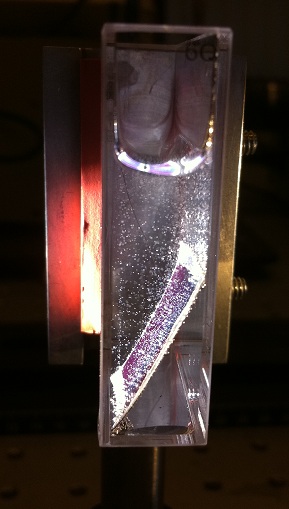
Catalysts enable molecular transformations to be carried out, while mitigating the inputs of thermal energy and other resources (in many cases solvents), and simultaneously curb the creation of residues that require later environmental disposal. A photocatalyst is a material that is able to harvest photons from light (ideally sunlight) and convert it to useful chemical energy, for which there are various “green” applications. Photocatalytic water splitting is the dissociation of water into its component elements, hydrogen and oxygen, to form H2 and O2, driven by the energy from light (equation 1). H2 is one of the principally sought “solar fuels”1, in which energy from sunlight might be stored, thus overcoming the issue of inconstant supply, which is an implicit limitation to renewable energy sources such as solar-power or wind-power. Since water is a cheap and renewable resource, it appears very attractive as a solar fuel precursor, requiring only a suitable photocatalyst to accomplish the task. Capturing sunlight and converting it to chemical fuels is sometimes referred to as “artificial photosynthesis” (Figure 1). In principle, solar fuels might provide an alternative to the fossil fuels, serving the dual purpose of reducing carbon emissions and conserving declining fossil resources2: conventional crude oil production is expected to peak imminently, while production of both2 natural gas and coal is expected to peak around 2020. An independent analysis concludes that 90% of the world’s reserves of coal will be used-up by the year 20703.


2H2O + hν → 2H2 + O2 (1).


Water is most efficiently split using sunlight, on a semiconductor surface (1). An electric potential difference of at least 1.23 V is required to split water into hydrogen and oxygen. Typically, a cathodic overpotential of 100 mV and an anodic overpotential of 200 mV are necessary too, meaning that a band gap of at least 1.53 eV is required for splitting water4,5. As the band gap increases, the fraction of the solar spectrum the semiconductor can absorb decreases6. Appropriate energetic requirements must also be met, in terms of the valence and conduction band edges at the solution interface, since the energy bands must encompass the potentials at which the following half-reactions occur:


2H+ + 2e– → H2 –0.56V (vs. Ag/AgCl) (2)


2H2O → O2 + 4e– + 4H+ +0.67V (vs. Ag/AgCl) (3)


In fact, the potentials associated with (2) and (3) will vary according to the Nernstian dependence on solution pH, and those values given above are for an electrolyte at pH = 6. Semiconductors in which the majority charge carriers are electrons are classified as n-type, whereas those in which the majority charge carriers are holes are designated as p-type5. The evolution of O2 occurs on the surface of n-type materials while the evolution of H2 occurs on the surface of p-type materials. To make a preliminary characterization of semiconductors, open circuit potential measurements, photocurrent measurements, and Mott-Schottky analysis are applied5. The Fermi level of the material, which for n-type materials lies just below the conduction band, and for p-type materials lies slightly above the valence band, must be factored-in when estimating the location of the band edges5 (Figure 1).

Titanium dioxide (TiO2) is one semiconductor with an appropriate band structure to function as a photocatalyst for water splitting, but, because of its relatively positive conduction band, the driving force for H2 production is weak. The rate of H2 production is enhanced when a co-catalyst such as Pt is introduced, and it is a common practice to add co-catalysts to accelerate H2 evolution in photocatalytic systems, in consequence of the conduction band placement. The majority of those semiconductors that have suitable band structures for the splitting of water, tend to absorb light of ultraviolet wavelengths (>400 nm). To permit the absorption of visible light, the band gap must be reduced. The conduction band is fairly close to the reference potential for H2 formation, and in consequence, adjusting the valence band to bring it closer to the potential for O2 formation is a better option, because there is a greater natural overpotential4.

Under operating conditions, the disintegration of photocatalysts and electron-hole recombination are undesirable phenomena. Sulfide-based photocatalysts, e.g. CdS, are particularly sensitive because the sulfide component is oxidized to elemental sulfur at those same potentials that are employed to split water. To counteract this effect4, sacrificial reagents are introduced, e.g. Na2S. This replenishes the sulfur that is lost, and in essence, changes the principal reaction to that of hydrogen evolution, rather than water splitting. Recombination of the electron-hole pairs is a feature of many different types of catalyst and is influenced by the overall surface area of the catalyst and by defects that are present: recombination at the defect sites is impeded when there is a high degree of crystallinity present in the material4.

Evaluation of the effectiveness of photocatalysts.

Several crucial criteria must be met in order for a photocatalyst to be considered effective, one of which is that the H2 and O2 should be evolved in a stoichiometric 2:1 ratio. When the relative volumes of the two gases differ much from this, the indication is that the photocatalyst is not effective for water splitting. The quantum yield (QY) is the fundamental determinant of the catalyst efficiency, and is by definition4:

QY (%) = (Photochemical reaction rate)/(Photon absorption rate) × 100%

To assist in comparing different photocatalysts, the rate of gas evolution can also be used, and while this measurement is more problematic when made in isolation, because it is not normalized, it is useful for a rough comparison and is routinely reported in the literature. The combined presence of a high quantum yield and a high rate of gas evolution may be taken to indicate an effective water-splitting photocatalyst. UV-based photocatalysts will be more effective per photon absorbed than those which employ visible light, as a result of a higher photon energy. However, since far more of the visible wavelengths are available at the Earth's surface than those in the UV range, a less effective catalyst but one which absorbs the visible part of the solar spectrum, may be more practically useful than one which absorbs in the UV4.

Different types of photocatalyst.

Pt/TiO2

The most effective photocatalyst for water splitting is TiO2, yielding a combined high quantum number and a rapid rate of H2 gas evolution4. Co-particles consisting of the anatase form of TiO2 and Pt form a photocatalyst that associates with a thin NaOH aqueous layer from which water is split into H2 and O2. As a result of its large band gap (> 3.0 eV),TiO2 absorbs principally in the UV region, but since it is relatively resistant to photo-corrosion, it is superior to the majority of photocatalysts that absorb visible light. Most ceramic materials are more strongly covalently bonded than other semiconductors, with accordingly larger band gap energies.

NaTaO3:La

In the absence of sacrificial reagents, the greatest rate of photocatalytic water splitting is obtained using NaTaO3:La4. This highly effective UV-based photocatalyst has demonstrated water splitting rates of 9.7 mmol/h with a quantum yield of 56%. The material possesses a nano-step structure, which is able to promote water splitting, in which the edges function as H2 production sites and the grooves provide O2 production sites. The H2 production may be enhanced by the incorporation of a NiO co-catalyst. NiO has a lower conduction band than NaTaO3 and hence photo-generated electrons are more easily transferred to the NiO conduction band to promote H2 evolution7.

K3Ta3B2O12

The catalyst8, K3Ta3B2O12, absorbs only UV light, and has neither the performance nor quantum yield of NaTaO3:La. Its advantage is that it can promote the splitting of water in the absence of co-catalysts, at a quantum yield of 6.5%, and a water splitting rate of 1.21 mmol/h. This material has a pillared structure, consisting of TaO6 pillars connected by triangular BO3 units. No further enhancement was found when the catalyst was additionally loaded with NiO, in contrast with the behaviour7 of NaTaO3:La.

(Ga0.82Zn0.18)(N0.82O0.18).

Of those photocatalysts that absorb in the visible region of the solar spectrum, and which do not employ sacrificial reagents, (Ga.82Zn.18)(N.82O.18) provides the greatest quantum yield – this being 5.9%, along with a water splitting rate of 0.4 mmol/h4. The properties of the catalyst could be adjusted by varying the temperature in the final calcination step. The number of surface Zn and O defects (which normally act as electron-hole recombination sites) was reduced by using temperatures up to 600 °C, albeit that temperatures above 700 °C were found to disrupt the local structure around the zinc atoms, with detrimental consequences for the effectiveness of the catalyst. An optimum performance of the catalyst was achieved9 by additionally loading it with Rh2-yCryO3 at a level of 2.5 wt% Rh and 2.0 wt% Cr.

Some recent developments in photocatalysts for hydrogen generation.

Many cutting edge developments in the field of photocatalysis and related topics can be found in the journal “ACS Catalysis” (http://pubs.acs.org/journal/accacs), from which some of the following examples are taken. Co-catalysts based on TiO2 have been prepared containing both small platinum (Pt) nanoparticles and large gold (Au) particles, by employing a combination of traditional photodeposition of Pt in the presence of a hole scavenger (PH), with subsequent photodeposition of Au colloids, in the presence of a hole scavenger. The Au particles had an average diameter of 13 nm and were attached to both TiO2 and TiO2–Pt samples. A strong photoabsorption in the region of 550 nm was observed for both the Au/TiO2 and Au/TiO2–Pt samples, resulting from the surface plasmon resonance (SPR) of Au. Naked TiO2, TiO2–Pt, Au/TiO2, and Au/TiO2–Pt samples were investigated for their ability to generate hydrogen (H2) from aqueous solutions of 2-propanol by exposure to visible light. Only those samples containing Au particles were photoactive, and the rate of H2 formation from the Au/TiO2–Pt sample was larger by a factor of seven than that from the Pt-free Au/TiO2 sample. This indicates that Pt nanoparticles loaded on TiO2 form an effective cocatalyst, and provide reduction sites for H2 evolution. From the series of cocatalysts prepared, of type M/TiO2–Au, the H2 evolution rates were found to decrease in the following order: Pt > Pd > Ru > Rh > Au > Ag > Cu > Ir. From the linear correlation obtained between the H2-evolution rate and the absorption of light, it may be inferred that SPR-induced photo-absorption by Au particles is a major factor in determining the rate of the H2 evolution using these supported catalysts10. A method has been reported for generating unsupported nanopowders of Ni–Mo, which can be suspended in common solvents and cast onto various substrates. It was found that, in an alkaline environment, the mass-specific catalytic activity approached that of the best non-noble Hydrogen Evolution Reaction (HER) catalysts, and the coatings have a good stability profile under the operating conditions. Turnover frequencies per surface atom were estimated at various overpotentials from which it is concluded that the increased activity of Ni–Mo over that for pure Ni is a result of combination of a greater surface area and a catalyst that is fundamentally more active11.

To produce hydrogen from water, on a scale required to run the much heralded hydrogen economy, will necessitate appropriately sized electrolyzer units. The efficiency of such devices can be increased by means of an effective catalyst, which lessens the amount of electricity required to split water into gaseous H2 and O2. Researchers at the University of Calgary say they have developed a novel method for making catalysts using inexpensive metals (earth abundant elements), such as iron, cobalt, and nickel, as opposed to rare metals such as platinum, which are used in conventional catalysts for electrolyzers. More effective catalysts are necessary to reduce the kinetic barriers associated with the oxygen evolution reaction (OER). Most OER catalysts are based on crystalline mixed-metal oxides, but amorphous phases can also be highly active. Mixed-metal compositions are not, however, so readily obtained by existing methods. In contrast, a photochemical metal-organic deposition approach, can produce amorphous (mixed) metal oxide films for OER catalysis, which results in a homogeneous and accurately controllable distribution of metals. The catalytic properties of a-Fe100-y-zCoyNizOx are comparable to those of the current noble metal oxide catalysts employed in commercial electrolyzers12. The spin-out company, FireWater Fuel intends to develop an electrolyzer to produce hydrogen for energy storage at wind farms, and to create a commercial prototype for a freezer-size electrolyzer that would convert a few litres of water a day to electricity for consumers by 201513. The MIT spin-off company Sun Catalytix is working on a flow-battery intended for grid storage14. Flow batteries can be used to smooth out the variable supply of wind and solar farms or provide back-up power for buildings or campuses with on-site power generation. The principle of a flow battery is that there are two (large) tanks which contain an aqueous electrolyte, and these are pumped into a single tank with the two liquids held separate by a membrane. As the liquids are caused to flow one direction into the “stack,” an electrochemical reaction occurs across the membrane, generating an electric current. When the liquids are pumped in reverse, the device is recharged. It is intended that the Sun Catalytix flow battery could deliver one megawatt of power for four to six hours and fit in a 40-foot shipping container. The concept is well established, and there are dozens of commercial flow batteries connected to the grid which work on vanadium and zinc bromide systems. Using “abundant materials” it is hoped to get the price down to $200 to $250 per kilowatt-hour of storage capacity14. In a development of the “artificial leaf” concept1,16 devised by Nocera, researchers at MIT have made an analysis which aims to improve the efficiency of such systems, which they believe could enable the reality of a practical, inexpensive and commercially viable prototype15. This follows up on results published in 2011 that demonstrated proof of concept for an artificial leaf with the aim of producing hydrogen for remote installations, particularly in the non-legacy (developing) nations16. Although 4.7% or less, of sunlight was converted into fuel using the original “leaf”1,16, the new analysis indicates that greater efficiencies should be accessible using single-bandgap semiconductors, e.g. crystalline silicon (16%), or GaAs (18%)15.

In connection with water-splitting and hydrogen fuel generation, researchers from the University of Oregon report17 the solution synthesis, characterization, and oxygen evolution reaction (OER) electrocatalytic properties of thin (2─3 nm) films of NiOx, CoOx, NiyCo1–yOx, Ni0.9Fe0.1Ox, IrOx, MnOx, and FeOx. In alkaline media, the most active water-oxidation catalyst was found to be Ni0.9Fe0.1Ox yielding 10 mA cm–2 at an overpotential of 336 mV with a Tafel slope of 30 mV dec–1. Its OER activity was shown to be of an order of magnitude greater than the control IrOx films as is attributed to the in situ formation of layered Ni0.9Fe0.1OOH oxyhydroxide species, in which practically all the Ni atoms are electrochemically active. It is concluded that these thin film catalysts may have applications, in conjunction with semiconductor photoelectrodes for direct solar-driven water splitting or in the fabrication of high-surface-area electrodes for water electrolysis. In a second paper from this group18, is detailed the performance of the catalyst thin films when combined with semiconductor light absorbers. A model is presented that describes the coupling of coloured OER electrocatalyst thin films with semiconductor photoelectrodes, from which is defined an “optocatalytic” efficiency (Φo-c) based on experimental optical and electrokinetic data measured under alkaline conditions. The most active catalyst was shown to be Ni0.9Fe0.1Ox, for which Φo-c is maximized (0.64) for a film thickness of around 0.4 nm (which amounts to 2 monolayers). It is concluded that such ultrathin films may provide optimal working components of photocatalytic water splitting and electrolyzer devices.

During the past two decades, new materials have been sought for oxygen evolution from catalytic water oxidation and for carbon dioxide reduction, with the aim to produce solar fuels. It is mostly inorganic materials that have been exploited and molecular complexes for water oxidation, in particular those inspired from our knowledge of how biological systems perform similar functions. A number of molecular water-oxidation complexes containing mono- or multinuclear catalytic sites have been investigated for their application to solution-phase generation of O2. To undertake electro-catalytic or photo-electrochemical water oxidation, it is necessary to immobilize and functionalize the catalytic medium on an electrode surface, but there are a very limited number of examples where a molecular catalyst has been placed on a transparent conducting surface in such a system. A brief overview is given19 of surface-immobilized molecular assemblies for electrochemical water oxidation and recent progress in catalyst design and performance, including some systems-integrated modules that are envisaged in the fabrication of future stand-alone solar fuel generation devices.

Gratzel-type cells.

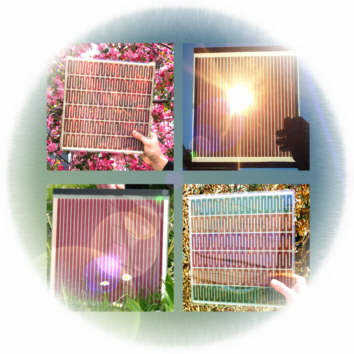
While the focus of this current commentary is mainly on U.V.-absorbing electrodes, it would be an omission if at least some mention of multi-component dye-sensitised solar cells (DSSC) (Figure 2) was not made, e.g. of the Gratzel design20,21, adaptations of which may be applied to water-splitting. Such cells typically contain TiO2 and Pt electrodes, with a conducting electrolyte such as aqueous KI, and many variants have been described, particularly those with dye-sensitisation of the TiO2 using e.g. ruthenium complexes or organic dyes. Improvements in the efficiency of these devices have been achieved using nanocrystalline semiconductor forms21, including quantum dot sensitisers22.

Other “green” catalytic applications.

In addition to the development of catalysts for the splitting of water, and other means for the generation of solar fuels1, are such catalysts as may enable the synthesis of organic compounds, in which the typical requirements of solvents, heating, and other inputs may be avoided or reduced, and as such may be designated as “green”. A recent review has been made23 of ring-expansion reactions of substrates bearing strained heterocyclic and carbocyclic rings published during the period 2006–2012. In some cases, enantiomerically enriched products are obtained by means of catalysts bearing primarily C-2 symmetric chiral organic motifs, and a diversity of metals are employed: Ti, Ni, Pd, Cu, Pt, Au, Rh, Fe, Ag, Al, Ru, In. Current models for the catalytic amination of methanol by zeolites are centred upon microporous shape-selective processes involving the molecules of monomethylamine (MMA), dimethylamine (DMA), and trimethylamine (TMA). In contrast, some additional aspects of shape-selectuve control are necessary to explain the uniquely high selectivity to MMA and DMA that pertains in Na+-exchanged mordenite (Na+-MOR). By means of modulation–excitation diffuse reflectance IR Fourier transform spectroscopy, with periodic perturbation by the isotope CD3OD, it is shown that the H-bonded network of methanol agglomerates and open dimers in the micropores can readily be replaced by NH3 at 623 K. It is thought that this may cause a decrease in the methanol concentration in the vicinity of catalytically active sites, hence resulting in a suppression of the consecutive reaction of MMA to DMA and, ultimately, to TMA.24 It is known that he relative rates of the aldol reaction catalyzed by supported primary and secondary amines can be inverted a hundred-fold, depending on the use of hexane or water as a solvent, and in a recent study, it is shown that this dramatic shift in the catalytic behaviour of the supported amines does not involve differences in reaction mechanism, but is most likely caused by activation of imine to enamine equilibria and stabilization of iminium species. The effects of solvent polarity and acidity were found to be critical determinants of the reaction.25 Cu-exchanged zeolites are widely used in catalytic convertors to suppress NOx emissions from vehicles, and the ammonia-assisted selective catalytic reduction (NH3-SCR) of NOx is efficiently catalysed using Cu-exchanged chabazite (CHA framework). By means of multiple techniques, including crystallography and measurements of absorbed probe molecules, the active sites present have been fully characterized. Other zeolites with a high activity for NH3-SCR include zeolites Y (FAU framework), ZSM-5 (MFI framework), SSZ-13 (CHA framework), and zeolite Beta (BEA framework). From the measurements reported26, an accurate elucidation of the local geometry and environment of the active Cu-based active sites within the zeolites within the zeolites is described.

On the basis27 of a combination of spectroscopic and catalytic investigations it has been inferred that, in the tungsten-catalysed H2O2 induced epoxidation of olefins, WO3 oxide is the most active and stable phase rather than W(VI) species. It has further been discovered that a nanoparticulate WO3 prepared by flame aerosol technology gives an optimum performance, and is characterized by a 50% increase in activity per W(VI) site, and a 35-fold increase in space time yield, over the currently employed benchmark catalyst. The biocatalytic potential of “-ene” reductases from the Old Yellow Enzyme (OYE) family of oxidoreductases is well-known, and provides a means to the production of various high-value chemicals. In order to broaden the potential industrial perspective of the approach, a flavin-free double bond reductase from Nicotiana tabacum (NtDBR), which belongs to the leukotriene B4 dehydrogenase (LTD) subfamily of the zinc-independent, medium chain dehydrogenase/reductase superfamily of enzymes, has been characterized. In addition to catalyzing the reduction of typical LTD substrates and several classical OYE-like substrates, NtDBR was found also to exert a complementary activity by reducing non-OYE substrates (i.e., reducing the exocyclic C═C double bond of (R)-pulegone) and in some cases an opposite stereo-preference was obtained, in comparison with the OYE family member pentaerythritol tetranitrate (PETN) reductase28.

References.


(1) Rhodes C.J. (2012) Sci. Prog. 95, 206.


(2) http://www.energywatchgroup.org/fileadmin/global/pdf/EWG-update2013_long_18_03_2013.pdf


(3) Rutledge, D. (2011) Int. J. Coal Geol. 85, 23.


(4) Kudo, A. and Miseki, Y. (2009) Chem. Soc. Rev. 38, 253.


(5) Head, J.and J. Turner, J. (2001) U.S. Department of Energy Journal of Undergraduate Research, January 2001. http://www.osti.gov/bridge/servlets/purl/1051819/1051819.pdf


(6) Rhodes, C.J. (2010) Sci. Prog. 93, 37.


(7) Kato, H., Asakura, K. and Kudo, A. (2003) J. Am. Chem. Soc, 125, 3082.


(8) Kurihara, T. et al. (2006) Chem. Lett. 35, 274.


(9) Maeda, K., Teramura, K. and Domen, K. (2008) J. Catal. 254, 198.


(10) Tanaka, A. et al. (2013) ACS Catal. 3, 79. DOI: 10.1021/cs3006499


(11) McKone, J.R. et al. (2013) ACS Catal. 3, 166 DOI: 10.1021/cs300691m


(12) Smith, R.D.L. et al. (2013) Science 340, 60. DOI: 10.1126/science.1233638


(13) http://www.technologyreview.com/view/512996/a-cheaper-way-to-make-hydrogen-from-water/


(14) http://www.technologyreview.com/view/512071/sun-catalytix-seeks-second-act-with-flow-battery/


(15) Winkler, M.T. et al. (2011) Proc. Nat. Acad. Sci. 110, E1076. http://www.pnas.org/content/110/12/E1076


(16) Reece, S.Y. et al. (2011) Science 334, 645.


(17) Trotochaud, L. et al. (2012) J. Am. Chem. Soc. 134, 17253. DOI:10.1021/ja307507a


(18) Trotochaud, L., Nills, T.J. and Boettcher, S.W. (2013) J. Phys. Chem.Lett. 4, 931. DOI: 10.1021/jz4002604


(19) Joya, K.S. et al. (2013) ChemPlusChem. 78, 35.


(20) Xiong, D. and Chen, W. (2012) Front. Optoelectron. 5, 371.


(21) Gratzel, M. (2001) Nature 414, 338.


(22) Shin, K. et al (2013) J. Power Sources 225, 263.


(23) Mack, D.J. and Njardarson, J.T. (2013) ACS Catal., 2013 2, 272. DOI: 10.1021/cs300771d


(24) Maeda, N. et al. (2013) ACS Catal. 3, 219. DOI: 10.1021/cs3007507


(25) Kandel, K. et al. (2013) ACS Catal. 3, 265. DOI: 10.1021/cs300748g


(26) Deka, U. et al. (2013), ACS Catal. 3, 413. DOI: 10.1021/cs300794s


(27) Hammond, C. et al. (2013) ACS Catal. 3, 321. DOI: 10.1021/cs300826c


(28) Mansell, D.J. et al. (2013) ACS Catal. 3, 70. DOI: 10.1021/cs300709m


Captions to Figures.

Figure 1. “Artificial photosynthesis” in action. A sample of a photoelectric cell in a lab environment. Catalysts are added to the cell, which is submerged in water and illuminated by simulated sunlight. The bubbles seen are oxygen (forming on the front of the cell) and hydrogen (forming on the back of the cell). Credit: MisterRichValentine. https://upload.wikimedia.org/wikipedia/commons/b/bc/Photo_Electric_Cell_Evolving_Hydrogen_and_Oxygen.jpg

Figure 2. A selection of dye-sensitised solar cells (DSSC). Credit: Sastra. https://upload.wikimedia.org/wikipedia/commons/4/49/Dye.sensitized.solar.cells.jpg

Monday, July 29, 2013

“What Happens When the Oil Runs Out?”


Summary of a lecture by Professor Chris Rhodes to the Conway Hall Ethical Society, Conway Hall, Red Lion Square, London. 11.00 am, Sunday July 28th, 2013.

The world supply of crude oil isn’t going to run out any time soon, and we will be producing oil for decades to come. However, what we won’t be doing is producing crude oil – petroleum – at the present rate of around 30 billion barrels per year. For a global civilization that is based almost entirely on a plentiful supply of cheap, crude oil, this is going to present some considerable challenges. If we look over a 40 year period, from 1965 to 2005, we see that by the end of it, humanity was using two and a half times as much oil, twice as much coal and three times as much natural gas, as at the start, and overall, around three times as much energy: this for a population that had “only” doubled. Hence our individual average carbon footprint had increased substantially – not, of course, that this increase in the use of energy, and all else, was by any means equally distributed across the globe.

From the latest document that I can find – the B.P. Statistical Review – we see that the majority form of energy used by humans on earth is crude oil, accounting for 33% of our total, closely followed by coal at 30%: a figure that is rapidly catching up with oil, as coal is the principal and increasing source of energy in developing nations such as China and India. Natural gas follows in a close third place, at 24%; nuclear and hydroelectric power at 5-6% each; and the tiny fraction of our overall energy that comes from “renewables”, is just 1.6%. Thus, we are dependent on the fossil fuels for 87% of our energy. Now, such a comparison is almost misleading and naïve, because it tacitly presumes that if our oil supply becomes compromised, we can make a simple substitution for it using some other energy source.

However, this is not so readily done in practice, because oil is a particular and unique substance, having both a high energy content, and that it is readily refined into liquid fuels – effectively by distillation – to provide the petrol and diesel that runs practically all of the world’s transportation. Moreover, everything we depend upon - literally everything: food, materials, clothes, computers, mobile phones, pharmaceuticals etc. – for our daily existence is underpinned by a plentiful supply of cheap crude oil. So, the loss of this provision is going to have a profound, and shattering effect on human civilization.

In the “good old days”, e.g. the Humphrey Jones “Giant Gusher” drilled in Texas in 1922, it was necessary only to drill a hole in the ground to get oil. An oil well contains not only oil, but gas at high pressure, meaning that once the cap-rock that holds it all in place is broken, the oil is forced out in that familiar jet of black gold. The good old days indeed, because then it was necessary only to expend an amount of energy equal to that contained in one barrel of oil to recover a hundred barrels, which is like investing a pound and getting a return of a hundred pounds – a very good net profit. In 2013, the return is maybe twenty pounds or just three for extra-heavy oil, or for “oil” derived from tar sands, once it has been upgraded into liquid fuel.

Of greatest concern is how much oil is remaining. As noted, we currently use 30 billion barrels a year – 84 million barrels a day, or a thousand barrels every second. When it is trumpeted about some new and huge find of oil, e.g. the Tupi field off Brazil, thought to contain 8 billion barrels, in reality this is only enough to run the world for three months. Context should not be lost in these matters. The quality of the oil is also at issue. For example, much of the remaining oil is of the “heavy”, “sour” kind, meaning that it is not necessarily liquid at all, but bitumen, and contains relatively high levels of sulphur, necessitating complex and energy-intensive processing to get the sulphur out – which would otherwise be corrosive toward the steel used in the refinery – and to crack the heavier material into lighter fractions that can be used as fuel, or as feedstocks for industry.

So, it’s not just that we have got through much of our original bestowal of oil, but that what remains is of poorer quality – in other words, we have used-up most of the “good stuff”! Oil shale does not contain oil at all, but a material called “kerogen” which is a solid and needs to be heated to five hundred degrees Centigrade to break it down into a liquid form that in any way resembles what we normally think of as “oil”. So, when it is claimed that there are “three trillion barrels” of oil under America, really this is only to encourage voters and investors, because the actual Energy return on Energy Invested (EROEI) is so poor that there has been no serious commercial exploitation of oil shale to date, and probably there never will be.

Not only are we entirely dependent on crude oil for all our fuel and materials, but without cheap crude oil, and natural gas to make nitrogen fertilizers, we would be unable to maintain our present system of industrialised agriculture. If we look at a field of soya beans being harvested in Brazil, we see a number of features. For one, those beans are not consumed at source, but are transported around Brazil and around the world. So, oil-derived fuels are necessary not only to run the tractors and combine harvesters, but the trucks, ships and planes to move the crop onto the world markets. In addition, we see the vast clouds of dust being thrown up behind the marching array of mighty machines – combine harvesters – which represents the loss of top-soil.

Even if we could solve all our energy problems, we are consuming the living and fragile portion of the earth’s surface that is our soil, and upon which we are utterly dependent to grow any food at all. We have “lost” around one third of our soil in the past half century - much of this through unsound and unsustainable agricultural practices - which does not bode well for the survival of a burgeoning human population. Another feature is that this land was once rain forest, which has been cleared to use the land for farming.

This is done either simply by setting fire to the forest, or by more exquisite means, such as taking a ship’s anchor chain, four hundred feet long - and if it is two inches in diameter, weighing five tonnes – then stringing it between two one hundred tonne tractors and simply driving over the terrain, so that the chain rips through everything that is there, tearing the trees out by their roots and destroying the structure of the soil in the process. The upshot is that the soil becomes unproductive within only a few years and so it is necessary to move on and do the same thing elsewhere.

In Britain we import about 40% of what we eat, and we use around 7 million tonnes of crude oil each year to fuel our food-chain. It can be said that we literally “eat oil”.

The concept of “Peak Oil” is due to Marion King Hubbert, a petroleum geologist working for the Shell Development Company in Texas, who predicted that oil production in America would peak in 1970. At that time, Texas was “awash” with oil – America being the world’s major oil-exporting nation then - and so no one took him seriously: but when in 1970, he was proved correct, Hubbert’s Peak entered the realm both of hard science and folklore. According to Hubbert, there is a 40 year lag between the year of peak discovery and that of peak production. If we apply this to the world situation, where global oil discovery peaked in 1965, we expect a global production in 2005. Indeed world production of oil has been on a flat line since 2005, and it is thought that we are at the production limit.

The price of oil has quadrupled in the past 10 years, reflecting the more strenuous efforts that are necessary to maintain production: deepwater drilling, fracking, tar sands, all of which have much lower energy returns than for conventional crude oil. Indeed, oil that is recovered from fracking costs about $105 a barrel to produce which until recently was more than it could be sold for. However, the price of oil is creeping up, and the industry is prepared to bear the loss for now, because it knows that the price of a barrel of oil will shortly rocket, and having cornered this “new” portion of the industry, will make big profits. Oil companies are not charities, after all. I emphasise the word “new” because fracking – properly called hydraulic fracturing – has been around since 1947: what is new is the combination of this technique with horizontal drilling, meaning that porous but impermeable rocks can be drilled-out laterally, then “fracked” to break them open thus releasing the oil or gas that they contain.

Fracking is a controversial matter, and there are grave concerns about groundwater contamination from the process. It is not only the fear that the chemicals that were originally present in the fracking fluid might migrate upward into the water table, but that other toxic materials, e.g. radon, that were confined safely within the natural prevailing geology, might be exhumed too. The Royal Society (U.K. equivalent of a national academy of sciences) has concluded that the procedure is safe, so long as it is strictly regulated, but how can this be guaranteed, when profits are the order of the day, and if the technology is to be employed across the world?

What too will become of the millions of gallons of contaminated water, injected under great pressure into the wells to fracture the rock, that remains? Will this be disposed of safely or simply left behind, potentially to leak into and contaminate the groundwater and the soil? This would be a tragic and cruel legacy for future generations.

Analyses made by both the Energy Information Administration (EIA; effectively part of the U.S. Department of Energy) and its counterpart organisation, the Paris-based International Energy Agency (IEA), concur that we will have lost around half our production of conventional crude oil by 2030. This is equivalent to four times the present output of Saudi Arabia, and it seems highly unlikely that this gap in supply can be filled from unconventional sources. Since we are entirely dependent on crude oil to fuel the world’s transportation, and looking at the amount of oil we are likely to be left with, we may conclude that it will be necessary to curb transportation by about 70% over the next 20 years.

This means the loss mainly of personalised transport and it is unfeasible that there will be 34 million electric cars in the U.K. (the current number of oil-fuelled cars) any time soon, and in reality, never. The only sensible means to move people around using electric power is by light rail and tramways, i.e. mass-transit systems.

If we can’t address the problem from the supply side we have to curb our demand. In the absence of cheap and widely accessible transport we will need to produce far more of our food and materials at the local level. Such a metamorphosis of human civilization from the global to the local, will be underpinned by building strong, resilient communities in which people share their skills and knowledge, to provide as much as possible at the local, grass-roots level. This is the underpinning philosophy of the growing network of Transition Towns. Frightening though all of this may appear, we may evolve into a happier and more fulfilling state of living than the percieved status quo, but which in truth is all too rapidly slipping through our fingers.

Friday, July 26, 2013

A Halt on Polish Shale Gas and Leaky Tar Sands.

I saw a screening of "Drill Baby Drill" http://www.lechkowalski.com/en/video/item/5/drill-baby-drill, a film by Lech Kowalski, at the Reading International Solidarity Centre (RISC) http://www.risc.org.uk/ recently. There is much to remark upon about both of these creations: the latter has a forest garden actually growing on its roof, in just a foot of soil (including a large cherry tree!), while the film portrays a resistance by a group of Polish farmers to the mighty oil/gas industry who wanted to drill for shale gas in their town of Żurawlów. They held out for 48 days, and finally drove the big boys away. The theme is an inspirational one, not only in a David and Goliath way, but that the group, who are not scientifically educated, manage to accumulate sufficient information via the internet to realise that what they had thought to be of great local and national benefit, carries a lot of hidden and unsavoury baggage with it.

They are patriotic people, and strongly in support of the promise that shale gas will drive and elevate the economy of Poland, to the benefit everyone, but I am left with the footage of interviews of those in the U.S. who have experienced fracking (hydraulic fracturing) first hand, and the suggestion that the millions of gallons of contaminated water in the shale gas wells will simply be left behind to percolate upwards, potentially leaking into the groundwater and contaminating the soil, rather than being carefully pumped out and disposed of safely. If this proves to be the case, it will be a rather grim legacy for the children and the grandchildren: a real "sins of the fathers" scenario.

It is this kind of prospect that often causes even those initially in favour of fracking, to change their hearts in rejection and opposition of it, especially in their own back yard. In "Drill, Baby Drill", although the farmers managed to prevent fracking taking place in their own town, "Big Oil/Gas" simply began drilling in another town just down the road, and so the battle may have been won but the war continues. In view of the volume of shale gas recovered in the United States, the strategy has been dubbed as a "bonanza" and even a "miracle", since shale gas now accounts for 40% of total U.S. gas production http://online.wsj.com/article/SB10001424127887324634304578537801148740028.html.

For comparison, shale-oil (tight oil) production amounts to 30% of total U.S. home oil production. Clearly fracking in the U.S.is big business, but it is debatable how much can be recovered and exactly how miraculous this will be: i.e. a long term saviour or a flash in the pan. Rather than the widely trumpeted "100 years worth of gas", the actually proven reserves are nearer 11 years worth, and hence the case might be somewhat overstated http://www.slate.com/articles/health_and_science/future_tense/2011/12/is_there_really_100_years_worth_of_natural_gas_beneath_the_united_states_.html.

Now, the geology is different in the U.S. than in Europe, and so we should not take the success of our transatlantic cousins as any kind of guarantee that we will be bestowed with a similar bounty. I am unsure about the environmental hazards associated with fracking, and I note that a scene in the film "Gasland", which purportedly shows a man going into his kitchen and lighting the water from the tap - allegedly, because it was so heavily contaminated with methane from fracking - has been confessed as bogus, or more generously put, that "its narrative is flawed" http://www.prwatch.org/news/2013/01/11943/fracking-industry-goes-after-promised-land-film. A film called "Truthland" http://www.truthlandmovie.com/ ensued in which a "mom" interviewed industry and academic experts, which led to a retraction of some of the claims in the original film, Gasland.  The Royal Society (the British equivalent of a national academy of sciences) has investigated the risks of fracking, and concluded that so long as it is "strongly regulated" the procedure is safe http://royalsociety.org/policy/projects/shale-gas-extraction/report/.

But will there be adequate control, when rapid profits are the order of the day, and can this really be guaranteed in all nations? One thinks of those children and grandchildren again. When corners are cut, fracked wells can become "leaky" with the risk of emitting methane into the atmosphere, and this is a far more potent greenhouse gas than is generally understood. Rather than the oft cited value that methane is twenty times worse than carbon dioxide, as a greenhouse gas, the heat trapping efficiency (radiative forcing factor) of CH4 is actually nearer to 100 times greater than that of COhttp://ergobalance.blogspot.co.uk/2008/09/global-warming-from-melting-permafrost.html and so this is another potentially unwelcome component of our energy legacy. Agreed that methane is oxidised in the troposphere on a roughly 12 year time-scale, but while it is around it is trapping heat very effectively, and its oxidation product is our old friend, CO2, with its accepted longevity in the atmosphere, and warming potential.

All, however, is not well with the shale gas industry in Poland. I had heard before that from 9 exploratory wells drilled in Poland came a gas so heavily contaminated with nitrogen (N2) that it wouldn't burn http://www.democraticunderground.com/?com=view_post&forum=1014&pid=121043. Now this is an important issue, since the quality of the gas is not known, irrespective of estimates of how much of it there may be to be extracted, until the material is actually recovered and analysed. As already noted, the rocks are different in the U.S. from those in Europe which includes Poland.  ExxonMobil moved out of Poland in June 2012 after drilling only two wells, while in May 2013, Canada’s Talisman and Marathon Oil, an American firm, also abandoned drilling for shale gas in Poland because the results were disappointing http://www.economist.com/blogs/easternapproaches/2013/07/shale-gas-poland.

Thus, we might not be so "lucky" over here in the rest of Europe or in other continents as in the U.S., although the U.K. government has given the go-ahead for drilling, but having removed the rights of local authorities to make decisions independent of central Government energy policy http://www.independent.co.uk/news/uk/politics/fracking-controls-removed-in-dash-for-unconventional-energy-resources-8726869.html. This led to a protest in Sussex, one of England's leafier corners http://www.guardian.co.uk/environment/2013/jul/25/anti-fracking-protesters-sussex-shale. Very likely, the resistance that was possible in Żurawlów in Poland, will not prove comparably tenable in the U.K.

Another point is that shale (oil or gas) wells tend to decline in their output relatively rapidly, maybe to half in the first year and to 20% by the end of the second year. "Drill Baby Drill" indeed, because to maintain output it will be necessary to drill well after well, year on year, in a compensatory capacity. It should be noted that fracking is nothing new, and the first such well was drilled in 1947. What is new is the combination of this technology with horizontal drilling, so that the well can be extended laterally, thousands of feet into the shale, and similar wells can be drilled by "rotating" the horizontal bore, in effect around the 360 degree circumference of the circle, thus extracting gas over an area of several square miles.

When a "mature field" is referred to, it really means an area that has been thoroughly pulverised! This is more reasonable to do in the U.S., which has been referred to as "MAMBA-land", meaning "Miles And Miles of Bugger All", where no one lives, whereas in the U.K. certainly, along with much of Europe, it will be necessary to drill under some quite densely populated conurbations, if widescale fracking does go ahead. But given the desperation to grab unconventional energy sources, I have no doubt that it will.

Speaking of desperation, I note that the Canadian oil sands (more properly called tar-sands because they contain bitumen, not petroleum) are leaking, and no one quite knows why http://m.motherjones.com/blue-marble/2013/07/alberta-oil-sands-have-been-leaking-six-weeks-and-no-one-knows-how-stop-it. The leak is reckoned to have been active for 9 weeks (at least?), and it seems to be from a tar sands extraction facility at Cold Lake, Alberta. Because it is so visible, most attention has been attracted by the surface mining operations there, but the latest piece of news refers to the underground side of the story.

Some 80% of the bitumen that is extracted in Alberta comes not from the surface but from further below, and superheated steam is injected downward, into the tar sands, in a process called "cyclic steam stimulation" or CSS, which melts the bitumen and allows it to flow to the surface. Sitting on top of the leaky spot are some 30 acres of swampy forest http://www.thestar.com/news/canada/2013/07/19/nobody_understands_ongoing_spills_at_alberta_oilsands_operation.html where apparently dozens of animals have been killed. So far, 60,000 pounds of contaminated vegetation and 26,000 barrels of "watery tar" have been removed from the area.

The term CSS is slightly reminiscent of CCS - (carbon capture and storage), a strategy that is proposed to lead the way to "clean coal" - and it has been said that it is more eco-friendly than surface mining. However, CSS releases the most carbon that is incurred by the two procedures, because of the large amount of energy needed to turn water into steam http://www.scientificamerican.com/article.cfm?id=tar-sands-extraction-without-strip-mining One fifth of Canada's gas consumption is taken by its production of tar sands http://www.resilience.org/stories/2011-10-28/two-more-ethical-challenges-canadas-oil-sands and it has been suggested that nuclear reactors should be installed on-site to provide the energy instead http://ergobalance.blogspot.co.uk/2007/04/nuclear-powered-oil-sands.html

So: on May 21st (2013) springs of a watery bitumen-emulsion began to seep out of the earth from cracks that suddenly appeared in the ground (I wonder if there is a crack in the rock somewhere lower down - since what normally comes up to the surface is a a mixture of water and bitumen - and having escaped, this fluid has found a natural "conduit"). What is the cause exactly, and what might the longer term consequences be? Will it enter the groundwater? Most of all, what can be done about it... if anything?